HIRING GUIDE
Private Chef Safety & Certifications: What to Ask Before Hiring
5 July 2026 · 8 min read
You're inviting someone into your home to prepare food for your family and guests. Safety isn't negotiable — it's fundamental. Here's exactly what credentials matter, and what questions to ask.
Why Credentials Matter More Than You Think
When you book a restaurant, you trust that health inspectors have verified their standards. The kitchen is licensed, staff are trained, and there are systems in place.
With a private chef, you're the health inspector. No regulatory body is checking their credentials for you. Most private chefs are excellent professionals — but without asking the right questions, you won't know the difference between someone with 20 years of MICHELIN-level training and someone who took an online course last month.
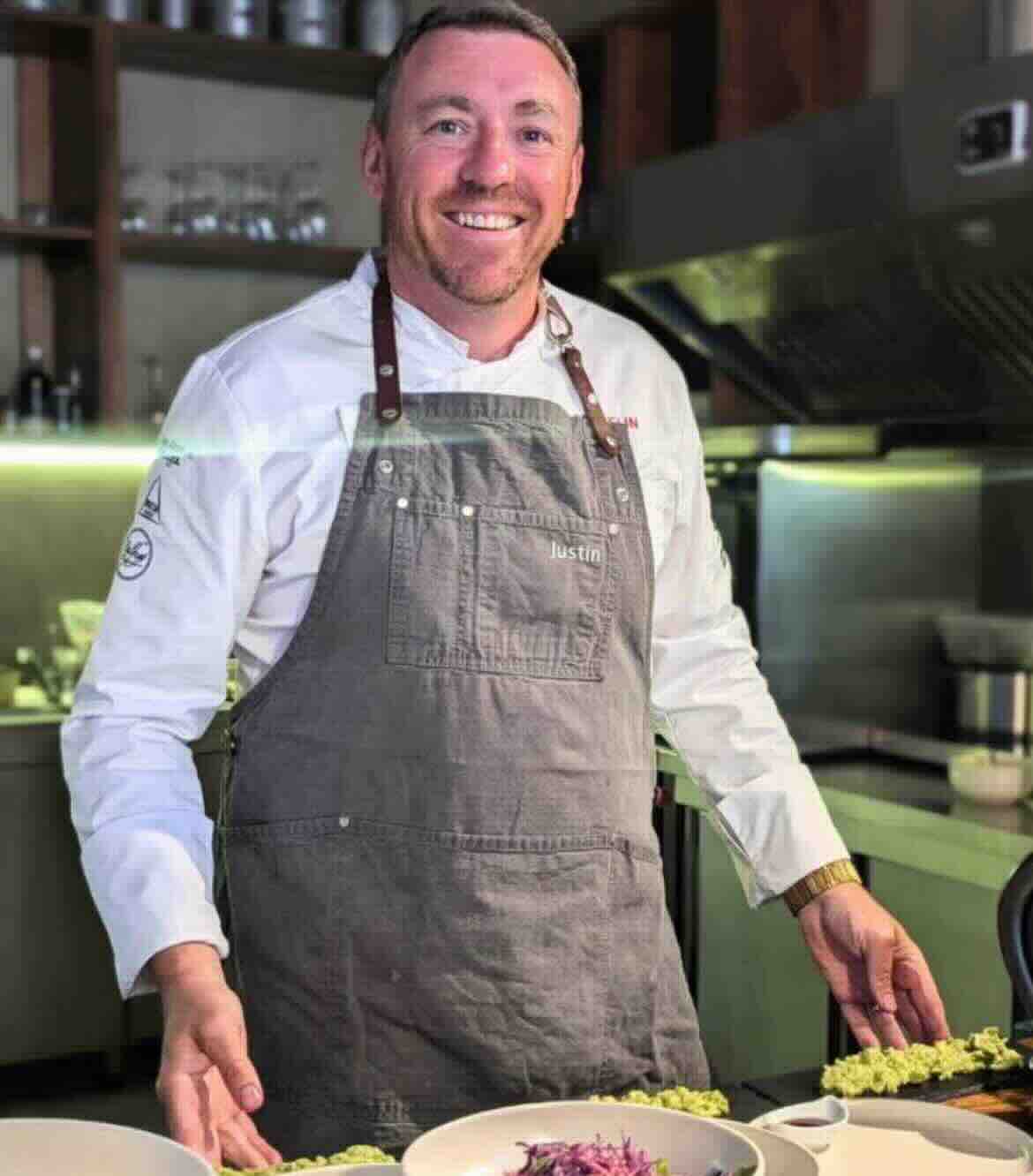
I've been cooking professionally for over two decades, worked in hatted restaurants across Australia and Europe, and I'm MICHELIN Guide selected. But I still carry food safety certification, public liability insurance, and documented hygiene training — because that's the baseline.
The Non-Negotiables: What Every Private Chef Should Have
1. Food Safety Certification
In Portugal, anyone handling food commercially should hold a valid food handler's certificate (Formação em Higiene e Segurança Alimentar). This is typically a Level 2 or equivalent qualification covering:
- Cross-contamination prevention
- Safe food storage temperatures
- Allergen management
- Personal hygiene standards
- Cleaning and sanitization protocols
What to ask: "Do you hold a current food safety certificate? Can I see a copy?"
If they hesitate or say "I've been cooking for years, I don't need one" — that's a red flag. Experience doesn't replace formal training in food safety science.
I maintain current food safety certification and carry full liability insurance. Every detail matters when it's your family's safety.
Get a Quote2. Public Liability Insurance
This is the big one people forget. What happens if:
- A guest has an allergic reaction?
- Someone gets food poisoning?
- The chef accidentally damages your kitchen?
- A fire starts from unattended cooking equipment?
Without insurance, you're liable. The chef walks away; you're left dealing with medical bills or property damage.
Professional private chefs carry public liability insurance (typically €1-2 million coverage) and professional indemnity insurance. This protects both you and them.
What to ask: "Do you carry public liability insurance? What's the coverage amount?"
If they don't have it, they're not operating as a legitimate business. Move on.
3. Professional Experience & References
Certificates are one thing. Track record is another.
A solid private chef should be able to provide:
- Work history: Restaurants, catering companies, previous private chef roles
- References: Recent clients who can vouch for their professionalism
- Portfolio: Photos of actual events (not stock images)
- Reviews: Google, TripAdvisor, or platform testimonials
Look for consistency. A chef with 15 years in commercial kitchens, a MICHELIN background, or hatted restaurant experience has been held to high standards repeatedly. That's worth something.
What to ask: "Where did you train? What restaurants have you worked in? Can you share references from recent events?"
Hygiene Standards: What You Should Observe
On the day of your event, watch for these signs of professionalism:
✓ Proper Chef Attire
Clean chef whites, apron, and closed-toe shoes (not sandals or trainers). Hair tied back or covered.
✓ Temperature Control
Insulated cooler bags or proper transport containers for ingredients. Food shouldn't sit at room temperature for hours.
✓ Separate Cutting Boards
Different boards for raw meat, seafood, and vegetables. Cross-contamination is one of the most common causes of foodborne illness.
✓ Handwashing Habits
Regular handwashing, especially after handling raw proteins or touching their phone.
✓ Clean as You Go
Professional chefs don't leave a bomb site. Surfaces are wiped down throughout service, waste is managed, and your kitchen looks better than when they arrived.
If you notice sloppy hygiene practices — ingredients left out, no separation of raw and cooked foods, dirty equipment — speak up immediately. Your home, your rules.
Allergen Management: A Life-or-Death Responsibility
Food allergies aren't preferences — they're medical emergencies waiting to happen. A professional chef treats them as such.
What proper allergen management looks like:
- Detailed pre-event questionnaire about all dietary restrictions
- Separate preparation areas for allergen-free dishes
- Clear labeling if serving buffet-style
- Knowledge of hidden allergens (e.g., fish sauce in Thai dishes, anchovy in Caesar dressing)
- Ability to explain every ingredient to guests who ask
I once had a guest with a severe shellfish allergy at a seafood-focused dinner. We created a completely separate menu for them, used dedicated cookware, and I personally confirmed every ingredient. That's not going above and beyond — that's the minimum standard.
What to ask: "How do you handle severe food allergies? Can you walk me through your process?"
Allergies, intolerances, or religious dietary requirements — I take every restriction seriously and plan menus accordingly. No compromises on safety.
Discuss Your EventLegal Status: Are They Operating Legitimately?
In Portugal, private chefs operating as a business need:
- Tax registration (NIF): They should be registered as self-employed or have a company
- Invoicing capability: Proper invoices with VAT (if applicable)
- Social security contributions: They're paying into the system legally
Why does this matter to you? Because if they're operating "under the table," you have zero legal recourse if something goes wrong. No insurance claim will be honored. No legal contract is enforceable.
Plus, you don't want to inadvertently participate in tax evasion. If authorities ever ask questions, "I didn't know" isn't a defense.
What to ask: "Can you provide an invoice? Are you registered as a business in Portugal?"
Red Flags: When to Walk Away
Trust your instincts. These are immediate deal-breakers:
- ❌ No insurance: "I've never had a problem" isn't insurance.
- ❌ Can't provide references: Every chef has happy clients. If they won't share them, why?
- ❌ Vague about qualifications: "I'm self-taught" is fine if backed by experience and certifications. It's not fine alone.
- ❌ Cash-only, no invoice: Operating illegally. Full stop.
- ❌ Dismissive of allergies: "A little won't hurt" could literally kill someone.
- ❌ Unrealistic pricing: If they're significantly cheaper than market rate, ask yourself why. Cutting corners somewhere.
You're not being difficult by asking these questions. You're being responsible.
The Checklist: Questions to Ask Every Private Chef
Before you book, get clear answers to all of these:
- Do you hold a current food safety / food handler's certificate?
- Do you carry public liability insurance? What's the coverage amount?
- Can you provide references from recent clients?
- Where did you train, and what's your professional background?
- How do you handle food allergies and dietary restrictions?
- Are you registered as a business? Can you provide an invoice?
- What hygiene protocols do you follow during events?
- How do you transport and store ingredients to maintain food safety?
- Have you ever had a food safety incident? How was it resolved?
- Do you have experience with events of my size/type?
A professional chef will answer all of these without hesitation. In fact, they'll probably appreciate that you're asking — it shows you value quality and safety.
Why I'm Transparent About My Credentials
I've worked in some of the best kitchens in Australia and Europe. I'm MICHELIN Guide selected, I was the inaugural World Cook Champion on Amazon Prime, and I've catered for embassies and high-profile clients across Portugal.
But none of that matters if I don't have the fundamentals right:
- Current food safety certification ✓
- Full public liability insurance ✓
- Registered Portuguese business with NIF ✓
- Allergen training and management protocols ✓
- Documented hygiene standards ✓
- Verifiable references and reviews ✓
I'm happy to share proof of all of this before you book. Because trust isn't assumed — it's earned.
Want to see my certifications, insurance documents, and client references? I'll send them over before we even talk menus. Transparency first.
Request My CredentialsFinal Thoughts: Safety Enables Luxury
A private chef experience should be relaxing, elegant, and memorable. But none of that matters if you're stressed about whether the food is safe, or worse — dealing with an incident after the fact.
The best private chefs make safety invisible. You don't see us checking temperatures, washing hands compulsively, or separating prep zones — but we're doing it. It's muscle memory from years in professional kitchens.
You shouldn't have to worry about food safety at your own event. That's why you hire a professional.
Ask the questions. Check the credentials. And if a chef gets defensive about it — find someone who doesn't.
Your home. Your guests. Your peace of mind. Don't compromise.
Frequently Asked Questions
Is food safety certification legally required for private chefs in Portugal?
While enforcement varies, anyone handling food commercially in Portugal should hold a food handler's certificate (Formação em Higiene e Segurança Alimentar). Professional private chefs carry this as standard, along with insurance. If a chef doesn't have certification, they're not operating to industry standards — and you're taking an unnecessary risk.
How much public liability insurance should a private chef carry?
Most professional private chefs carry €1-2 million in public liability coverage. This protects against injury, property damage, and foodborne illness claims. Anything less than €500,000 is inadequate for events in private homes. Ask to see proof of current coverage before booking.
Can I ask to see a private chef's insurance certificate?
Absolutely — and you should. Any legitimate chef will provide a copy of their insurance certificate without hesitation. If they refuse or make excuses ("it's at my accountant," "I'm updating it"), that's a red flag. No insurance = no booking.
What if the chef says they're "just starting out" and don't have certifications yet?
Everyone starts somewhere, but food safety certification is inexpensive and takes days to complete. If they're serious about the business, they'll have it. Insurance is non-negotiable regardless of experience level. "Just starting out" doesn't exempt them from operating safely and legally.
How do I verify a chef's MICHELIN background or restaurant experience?
Ask for specifics: restaurant names, years worked, positions held. MICHELIN-starred restaurants are publicly listed, so you can verify claims. Check LinkedIn, Google their name + restaurant, or ask for references from those establishments. Legitimate chefs have no problem providing verification.
What allergen information should I provide to my private chef?
List all allergies (even mild ones), intolerances, religious restrictions, and strong dislikes. Include severity (life-threatening vs. causes discomfort). The chef should follow up with clarifying questions — if they don't ask for details, they're not taking it seriously enough.
Should I check the chef's food safety practices during the event?
It's your home — you have every right to observe. Professional chefs won't mind (we expect scrutiny). Look for: separate cutting boards for raw/cooked foods, regular handwashing, proper food storage temperatures, and clean workspaces. If something looks unsafe, speak up immediately.
What happens if someone gets food poisoning after a private chef event?
If the chef has insurance, their public liability policy covers medical costs and claims. Document everything: menu, photos, witness statements. Without insurance, you'd need to pursue the chef personally (difficult and expensive). This is exactly why insurance is non-negotiable.
Are private chef platforms (like Take a Chef) safer than independent chefs?
Platforms typically verify certifications and insurance, which adds a layer of vetting. However, many top independent chefs (myself included) operate outside platforms to avoid high commission fees. The key is asking the right questions — credentials matter, not the booking method.
Can I request to see the chef's food safety certificate before the event?
Yes, and you should. Ask during the initial consultation. A professional chef will email a copy within a day (or show it on their website). If they delay or claim they "don't have a digital copy," consider it a warning sign.