Hosting & Entertaining
The Psychology of Hosting: How to Make Guests Feel Special
June 2, 2026 · 8 min read
Let Someone Else Handle the Kitchen
Private chef dining at your home or villa in Lisbon. You host, we cook. From €75pp, all-inclusive.
Get a Free Quote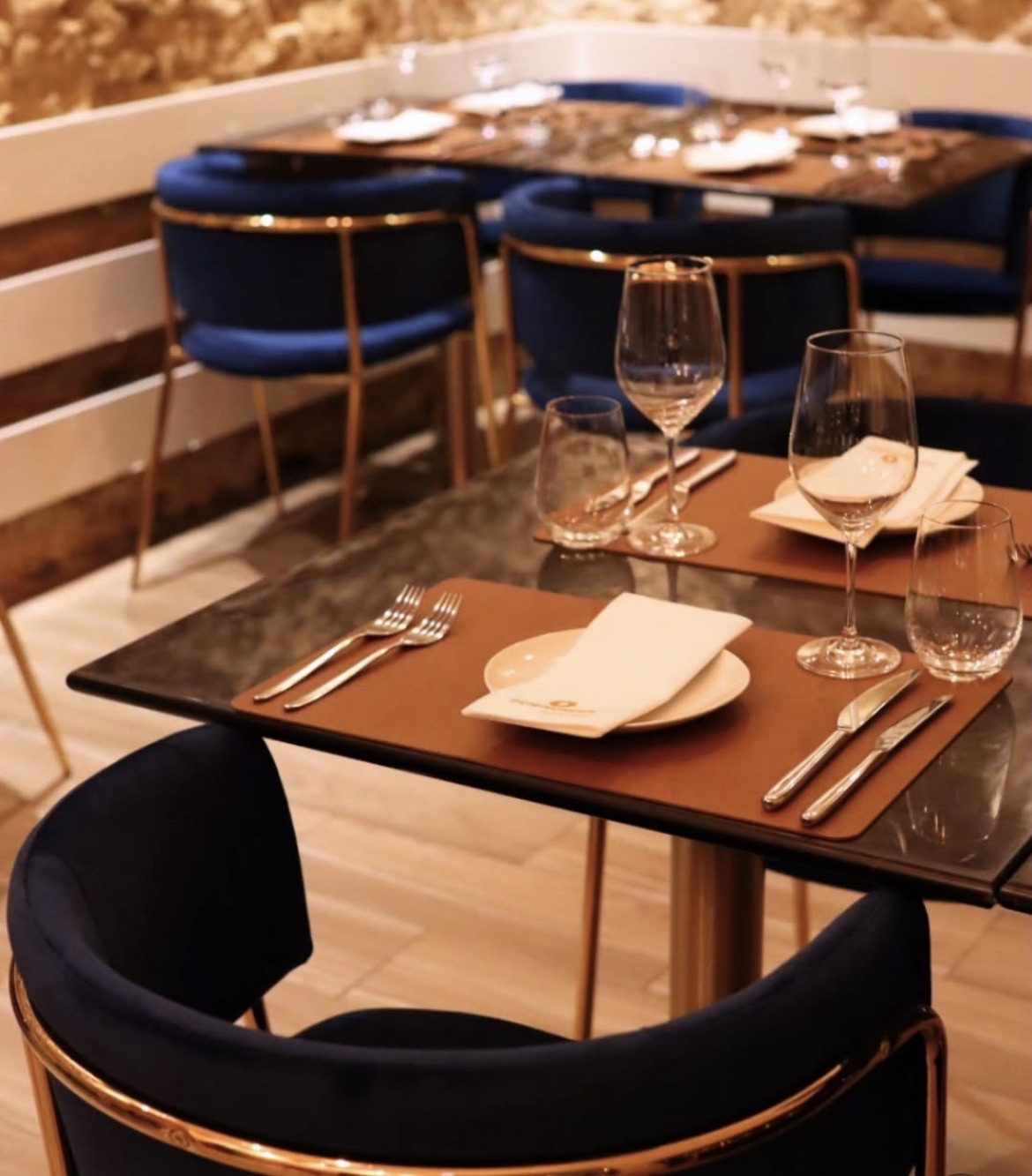
I’ve cooked at hundreds of private dinners over 20 years. The food was always good that’s my job. But the evenings people still talk about months later? Those had almost nothing to do with what was on the plate. They had everything to do with how the host made people feel when they walked through the door.
The psychology of hosting is something most people never think about. They obsess over the menu, panic about timing, and spend the entire evening apologising for things nobody noticed. Meanwhile, the guests are sitting there wishing their host would just sit down and talk to them.
Here’s what actually matters from someone who’s watched it play out from the kitchen side of hundreds of dinner parties across Lisbon and Portugal.
The First Five Minutes Decide Everything
Psychologists call it the “primacy effect” we disproportionately weight first impressions. For a dinner party, that means the moment guests arrive sets the emotional tone for the entire evening. Get it right, and people relax. Get it wrong, and they spend the first hour feeling slightly off.
Have a drink in their hand within 90 seconds. Not “what would you like?” followed by five minutes of rummaging through cupboards. A glass of something cold, already poured, waiting. Prosecco works. A signature cocktail works better. Even sparkling water with lime works if that’s the crowd. The point is speed and intention.
Greet everyone individually. Not a group wave from the kitchen. Eye contact, their name, a genuine comment. “Maria, you look incredible. Carlos, I saved you the good seat.” It takes ten seconds per person and the impact is enormous. People want to feel seen, not processed.
The host who’s still chopping onions when guests arrive has already lost. The food can be simple the welcome cannot.
Why the Best Hosts Barely Mention the Food
This one surprised me when I first noticed it. The hosts who throw the most memorable dinners rarely talk about the food. They don’t narrate every dish, explain every technique, or fish for compliments. They let the food speak for itself and focus their energy on something more valuable: making sure every person at the table feels like they belong.
There’s a reason for this. When a host keeps drawing attention to the food, they’re unconsciously saying “look at what I did.” When they focus on the guests, they’re saying “look at who’s here.” The second message is always more powerful.
That doesn’t mean you can’t be proud of a dish. But the best way to present it is casually. “This is that saffron risotto I was telling you about the rice is from the Alentejo.” One sentence. Then move on. Let the table react naturally.
The Table Is a Stage Set It With Intention
You don’t need expensive tableware. You need thoughtfulness. There’s a psychological principle called “environmental priming” the physical space shapes how people behave and feel, often without them realising it.
Practical things that make a measurable difference:
- Candles over overhead lighting. Always. Dim, warm light triggers relaxation. Fluorescent or bright white lighting triggers alertness. You want people settling in, not squinting.
- Cloth napkins. They signal “this matters” without a single word. Paper napkins signal “this is casual.” Both are fine just be deliberate about the message.
- Flowers or greenery, low and simple. Tall centrepieces block eye contact across the table, which kills conversation. A small arrangement or a few stems in a jar that’s all you need.
- Music at conversation volume. If someone has to raise their voice over the playlist, it’s too loud. Jazz, bossa nova, or lo-fi anything without lyrics competing for attention.
- Temperature slightly cool. A warm room makes people sluggish. A slightly cool room keeps energy up. Open a window before guests arrive, even in a Lisbon summer.
None of this costs much. All of it changes how people feel the moment they sit down.
MICHELIN Guide Selected · 4.8★ TripAdvisor · 717+ Reviews
Take the stress out of hosting. A private chef handles the cooking, plating, and cleanup you focus on your guests. From €75 per person.
Request a QuoteSeating Matters More Than the Menu
I’ve watched perfectly cooked meals fall flat because the wrong people were seated next to each other. And I’ve seen simple pasta dinners become legendary because the host put thought into who sat where.
Never leave seating to chance. It feels democratic to say “sit wherever you like,” but what actually happens is couples sit together, shy people end up at the ends, and the loudest person dominates one half of the table.
Instead:
- Separate couples. They see each other every day. Put them near people they don’t know well. It forces new conversations and breaks the default pattern.
- Put quiet guests next to warm, easy talkers. Not next to other quiet guests. Someone needs to draw them out, and it shouldn’t have to be you running between courses.
- Anchor the ends. The seats at the head and foot of the table set the energy. Put confident, engaging people there. The host doesn’t always need to be at the head sometimes you’re more useful in the middle.
- Think about shared interests. The architect and the interior designer. The traveller and the photographer. Seed connections and let them grow.
Place cards feel formal, but they work. Even handwritten name tags on folded paper it shows you thought about where each person should be. That’s the whole point.
The Kitchen Trap: Why Cooking Ruins Hosting
This is the single biggest mistake I see, and I see it constantly. The host decides to cook an ambitious multi-course meal, spends the entire evening in the kitchen, and emerges for five-minute intervals looking stressed and apologetic.
Their guests, meanwhile, are sitting in the dining room making polite conversation with people they barely know, wondering when the host is coming back.
The psychology is simple: people came to see you, not your food. If you’re absent for 70% of the evening, the dinner party is effectively a catered event without the benefit of a professional caterer.
Two solutions:
Option one: cook simple. Choose dishes that are 90% done before anyone arrives. Slow-cooked meats, make-ahead salads, a cheese board, something that doesn’t need you standing over a stove. The less time in the kitchen, the more time at the table.
Option two: hire a chef. This is what I do for a living, and I’m always struck by the transformation. The host who booked me because they were stressed about cooking becomes the most relaxed person in the room. They pour wine, tell stories, actually enjoy the evening they planned. That’s what hosting should feel like.
Small Details That Guests Remember for Years
After two decades of private dining across Lisbon, Cascais, Sintra, and beyond, I’ve noticed a pattern. The things guests remember longest are rarely the main course. They’re the small, unexpected touches that showed someone was paying attention.
- Remembering someone’s dietary need without them asking. “I made this one without gluten for you, Ana.” That sentence does more emotional work than the entire five-course menu.
- A handwritten menu. Doesn’t need to be calligraphy just a card at each place setting listing what’s coming. It builds anticipation and makes a Tuesday night feel like an event.
- Something to take home. A small jar of homemade chutney, a box of chocolates, a recipe card from the evening. It extends the experience beyond the last course and gives people a physical memory.
- Asking about something specific from their life. “How did that job interview go?” or “Did you end up booking that trip to Porto?” It proves you listen and care beyond the confines of the dinner table.
None of these cost more than a few euros or minutes. All of them communicate the same thing: I thought about you specifically. That’s the psychology of hosting distilled into four words.
The Pace of the Evening: Slower Is Always Better
Rushed dinners are forgotten dinners. The best evenings I’ve worked have a natural rhythm courses arrive when conversation lulls, not when a timer goes off. There’s time between plates for people to talk, laugh, refill glasses, and actually digest both the food and the company.
As a guideline:
- 30 minutes for drinks and nibbles before sitting down. This is the warm-up. People arrive at different energy levels give them time to sync up.
- 15-20 minutes between courses. Enough for the previous dish to settle and conversation to develop. Not so long that momentum stalls.
- Don’t rush dessert. This is when people are relaxed, honest, and telling the best stories. Stretching the final course to 45 minutes is never a mistake.
- End with coffee and something small. Chocolates, petit fours, a digestif. It signals the shift from “dinner” to “the evening continues.”
A five-course dinner with a private chef typically runs two and a half to three hours. That’s not slow that’s the pace at which good conversation actually happens.
The Secret Most Hosts Miss: It’s About How They Feel When They Leave
Maya Angelou said it best: people will forget what you said, forget what you did, but never forget how you made them feel. That’s the entire psychology of hosting in one sentence.
The food can be extraordinary. The wine can be perfect. But if a guest felt awkward, ignored, or like they were imposing, they’ll remember the discomfort not the duck confit.
Conversely, if the food was simple but the host was warm, present, and genuinely delighted to have them there, that dinner becomes one of the highlights of their year. I’ve seen it happen with a bowl of pasta and a bottle of Portuguese red. I’ve also seen it fail to happen with lobster and Champagne.
The formula is brutally simple: prepare enough that you can relax, then focus entirely on the people in the room. Everything else is detail.
Frequently Asked Questions
How do I make dinner guests feel special at home?
Focus on three things: personalisation, atmosphere, and attention. Learn one dietary preference or favourite ingredient per guest before the event. Set the table with intention candles, cloth napkins, a simple centrepiece. And be present during the meal rather than stuck in the kitchen. A private chef in Lisbon can handle the cooking so you can focus entirely on your guests, starting from €75 per person.
What makes a great dinner party host?
The best hosts share three qualities: they prepare ahead so they are relaxed on the night, they make every guest feel individually acknowledged, and they set a pace that lets conversation develop naturally. Great hosting is less about the food and more about how people feel in the room. After 20 years of private dining, the most successful evenings are always the ones where the host was calm and genuinely enjoying themselves.
How do you set the mood for a dinner party?
Start with lighting dim overhead lights and use candles or warm-toned lamps. Choose background music that is audible but not competing with conversation (jazz, bossa nova, or lo-fi work well). Temperature matters more than people think slightly cool is better than warm. And have drinks ready before guests arrive so the first five minutes feel welcoming, not chaotic.
Can a private chef help with hosting a dinner party in Lisbon?
Yes. A private chef handles all cooking, plating, service, and cleanup at your home, villa, or rental in Lisbon. This means you can focus entirely on your guests instead of being stuck in the kitchen. Justin Jennings Private Chef offers multi-course private dining from €75 per person across Lisbon, Cascais, Sintra, Estoril, and the Algarve. MICHELIN Guide Selected 2024, 2025 and 2026.
What are common hosting mistakes to avoid?
The biggest mistakes are: attempting too many complex dishes (one showstopper is enough), hovering over guests instead of letting conversation flow naturally, forgetting dietary requirements until the day of, poor lighting (overhead fluorescents kill atmosphere), and not having enough ice or drinks ready when people arrive. The universal fix is preparation do everything possible the day before.
How far in advance should you plan a dinner party?
For a casual dinner with friends, one to two weeks is enough. For a special occasion or a private chef booking, three to four weeks gives you time to plan the menu, accommodate dietary needs, and handle logistics. If you are booking a private chef in Lisbon during peak tourist season (May to October), book at least a month ahead to secure your preferred date.
Related Reading
Ready to Host Without the Stress?
Multi-course private dining at your home or villa. You set the table we handle everything else.
Get Your QuoteOr call +351 961 805 701