Menu planning and fresh sourcing
Private Chef Ingredient Sourcing in Portugal
Ingredient sourcing for a private event starts with the agreed menu. The event brief, guest preferences, dietary discussion and current availability shape what is purchased and how the menu is prepared for service.
Published 17 April 2026 · Updated 9 October 2026
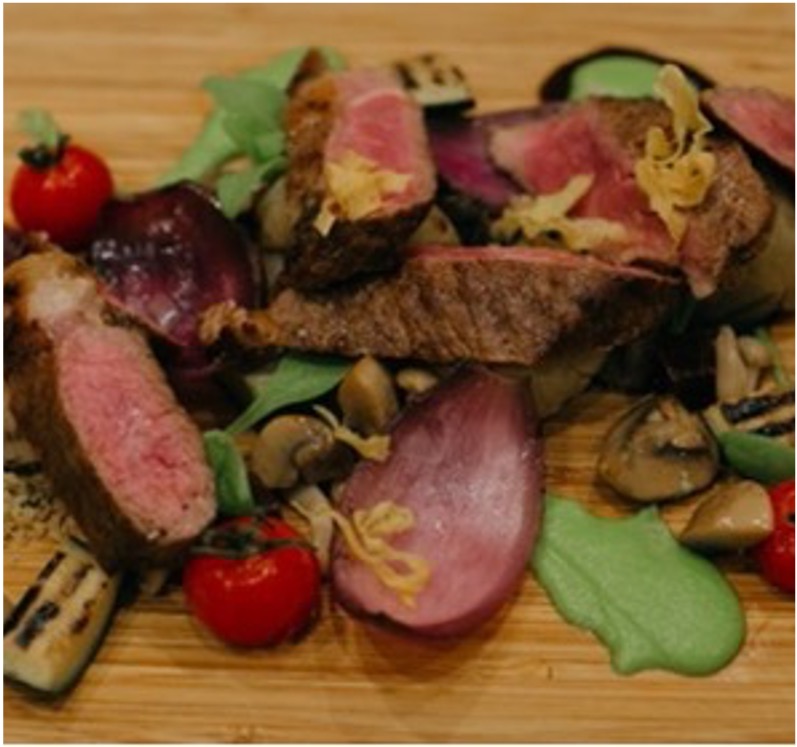
A private chef does more than arrive with a collection of ingredients. Menu design and sourcing are connected. Before shopping begins, the chef needs a clear event brief: the date, location, guest count, service style, preferences, allergies and the dishes approved for the occasion.
That order keeps purchasing focused on the food that will actually be served. High-quality ingredients are freshly sourced according to each agreed menu. No specific supplier, market, source or vendor partner is promised, and same-day sourcing is not promised.
Planning a private event? Send the date, location, guest count and dietary requirements. Availability confirmation, a custom menu and quote are provided within 24 hours, often sooner.
Request a custom menuIngredient sourcing begins with the event brief
The first step is understanding what the event requires. A plated dinner for eight guests, a larger buffet and an agreed multi-day meal schedule have different quantities, preparation needs and service plans. The menu needs to fit the guest count, kitchen, timing and style of dining before the ingredient list can be finalised.
What the client provides
The date, location, guest count, event format, preferences and known dietary requirements give the chef the practical boundaries for menu design.
What the chef plans
The agreed menu becomes the basis for ingredient purchasing, preparation, equipment, plating and service at the client's location.
Sharing preferences early is useful, especially when a particular ingredient or style is important. A request can be considered during menu planning, but the final proposal still depends on the complete brief and current availability.
How fresh sourcing works
Fresh sourcing means ingredients are purchased for the agreed menu rather than treated as a permanent, generic package. The sourcing plan can account for the event date, chosen dishes and quantities needed for the confirmed guest count.
Availability can affect a proposed component. When that happens, the practical response is to protect the role that ingredient played in the dish and discuss a suitable alternative. This is why a menu is agreed before purchasing and why a particular source is not guaranteed publicly.
Seasonality can be part of a menu conversation, but it does not justify promises about exact products, producers or markets. The confirmed commitment is straightforward: high-quality ingredients are freshly sourced according to each agreed menu.
What the private chef service includes
| Planning point | Confirmed detail |
|---|---|
| Starting price | Private chef service starts from €85 per person every day of the week and in every season. |
| Single event | Custom menu design, ingredients, cooking at the client's location, plating and service, and cleanup. |
| Minimum | Eight guests is the hard minimum for every event type. |
| Event scope | Justin specialises in events for 8 to 100 guests. Larger groups are welcome and scoped individually. |
| Multi-day | Ingredient shopping and costs are included in one bespoke total for the complete agreed stay. |
| Travel | No travel charge applies in Lisbon or Cascais. A custom travel charge may apply elsewhere. |
The final quote can reflect the event brief, date, season and current demand. Premium requirements receive a custom quote. The private chef cost guide explains the approved pricing framework.
For a multi-day booking, the bespoke total includes menu planning, ingredient shopping, ingredient costs, selected meals agreed for the stay, plating and service, kitchen cleanup, chef equipment and additional service staff when required. Multi-day bookings are available only in Lisbon, Sintra and Cascais.
Dietary requirements shape sourcing
Allergies and preferences should be raised before the menu is agreed. Justin has extensive experience in allergy and cross-contamination avoidance. During consultation, he discusses allergies and preferences directly with the client and caters accordingly.
Dietary requirements are assessed during menu planning. An allergen-free environment is not promised. The dietary requirements guide explains what information to share.
Useful enquiry details: Include the date, full location, guest count, service style, food preferences, allergies and dietary requirements.
Send your event briefIngredient choices and the custom quote
For a single event, ingredients are included. Private chef service starts from €85 per person, and the final quote covers the agreed event rather than adding a separate public shopping fee. Premium requirements and the wider scope are handled in the custom quote.
The quote is built around the menu, guest count, location, service format, staffing, beverage requirements, equipment hire when needed and other confirmed details. The variable minimum booking value is confirmed privately and can change with season and current demand.
Wine pairing, beverage service, servers, bartenders or sommeliers can be included in a custom quote. Alcohol can be purchased only as part of an agreed wine-pairing or beverage package.
Kitchen, refrigeration and event-day handling
The client provides a working oven, working hob, pots and pans, and a working sink with hot and cold running water. A BBQ is required for a BBQ event. A small amount of preparation space is workable.
Justin brings his own knives, specialist chef equipment and cold-box storage for short single events. Short events generally do not require client fridge space. Multi-day events require a small amount of fridge space.
Missing cooking equipment or table settings can be hired and included in the quote when organised during consultation. See the private chef equipment checklist.
A practical planning sequence
- Send the event details. Provide the date, location, guest count and service style.
- Discuss preferences and dietary requirements. Identify menu priorities and allergies.
- Review the menu and quote. The proposal connects menu design, ingredients, preparation and service.
- Confirm the kitchen. Check appliances, preparation space, refrigeration and tableware.
- Finalise the menu. Sourcing then follows the approved plan and current availability.
Book as early as possible. Four weeks is recommended for normal dates and eight weeks for peak dates and seasons. The shortest accepted notice is seven days, subject to availability.
Service areas in Portugal
Single-day events are accepted in Lisbon, Cascais, Sintra, Estoril, Ericeira, Setúbal, Comporta, Algarve and Douro. Locations outside Lisbon, Sintra and Cascais are accepted for single-day events only. Multi-day bookings are limited to Lisbon, Sintra and Cascais.
No travel charge applies in Lisbon or Cascais. A custom travel charge may apply elsewhere and is confirmed in the quote. For Algarve and Douro bookings, transport, travel time and accommodation are included in one custom quote.
Frequently asked questions
Are ingredients included in private chef service?
Yes. Single-event service includes custom menu design, ingredients, cooking at the client's location, plating and service, and cleanup.
When are ingredients sourced?
Sourcing is planned around the agreed menu. High-quality ingredients are freshly sourced, but same-day sourcing is not promised.
Can guests request particular ingredients?
Preferences can be discussed during menu planning. The final menu and quote reflect the brief and current availability.
How are dietary requirements handled?
Justin discusses allergies and preferences directly with the client. An allergen-free environment is not promised.
Does sourcing change the quote?
The starting price is €85 per person. The final custom quote reflects the complete brief and agreed menu.
Are specific suppliers guaranteed?
No specific supplier, market, source or vendor partner is promised publicly.
Plan a private event menu
Send the date, location, guest count, preferences and dietary requirements. Justin will prepare a custom menu and quote within 24 hours, often sooner.
Check your event date