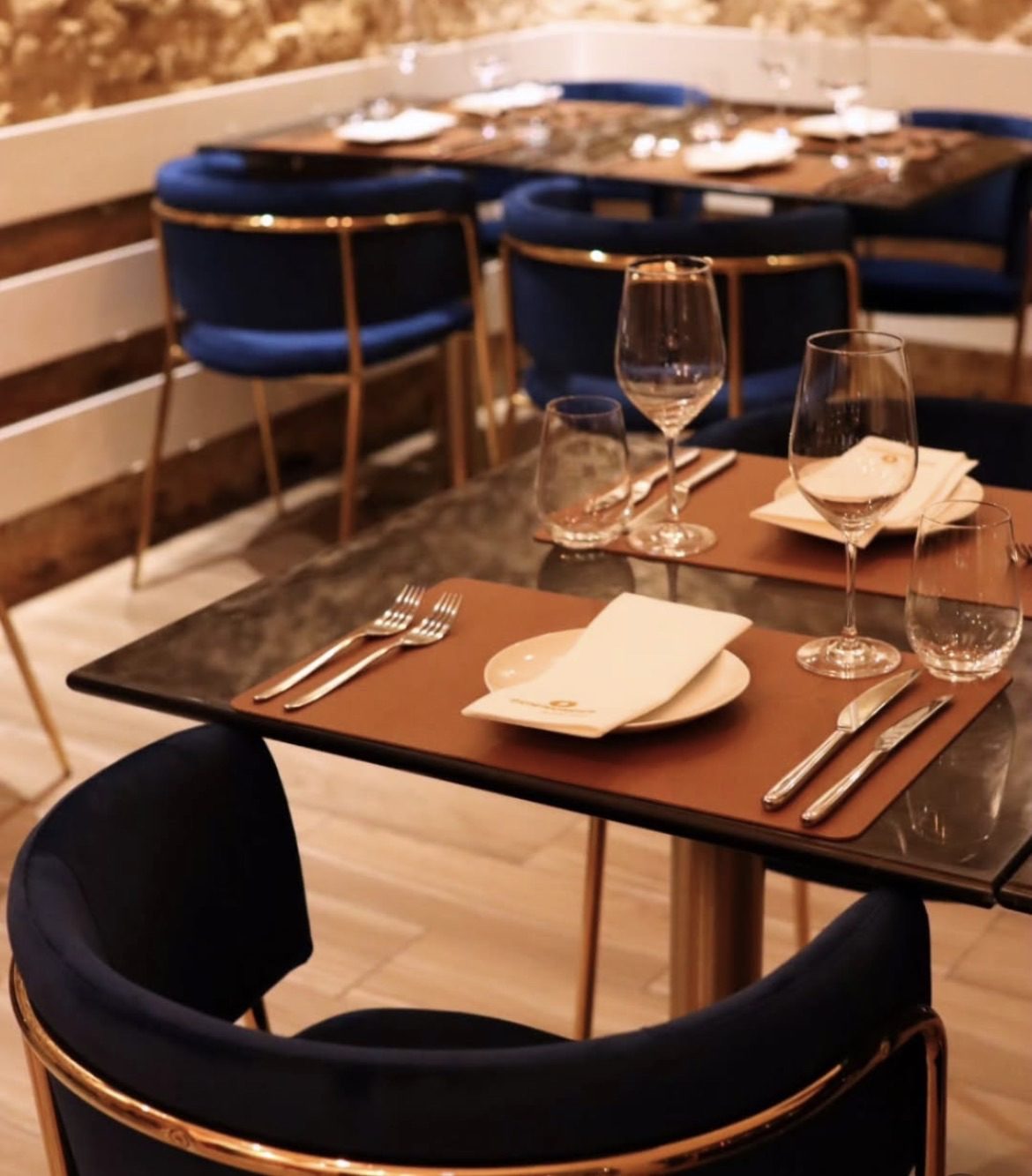
Here's a question I get asked more than any other: "How long will dinner take?"
The answer is usually 3 hours for a proper multi-course private chef dinner in Lisbon. And the follow-up question is always the same: "Why so long?"
Because rushing a meal kills everything that makes it worth remembering. The private chef dinner timing isn't arbitrary it's designed around how your body processes food, how conversation flows, and how memory forms around shared experiences.
After 20+ years cooking professionally, including at MICHELIN-selected restaurants and winning World Cook on Amazon Prime, I've learned that pacing is as important as the food itself. You can serve perfect dishes and still ruin the evening by getting the timing wrong.
Why Private Chef Dinner Duration Matters
When courses arrive too fast, three things break down:
▸ Your palate can't reset. Each dish is supposed to build on the last one, creating contrast and progression. If you're still tasting the starter when the main arrives, everything blurs together. You lose the architecture of the menu.
▸ Digestion can't keep pace. Your stomach needs time to signal fullness to your brain (roughly 20 minutes). Rush through courses and you're either uncomfortably stuffed by dessert or still hungry because your body hasn't caught up.
▸ Conversation dies. Good meals are about the people you're with, not just the food. When plates keep arriving without breathing room, the evening feels transactional more like refueling than celebrating.
Proper private chef course timing gives you space to experience each dish fully, talk about something other than food, and build the kind of evening people talk about weeks later.
The Anatomy of a 3-Hour Private Chef Dinner
Here's how I pace a typical 5-course private chef dinner in Lisbon, and why each gap matters:
19:30 Arrival + Drinks (15-20 minutes)
Guests arrive, pour a glass, settle in. This is transition time leaving the day behind and entering the evening. I'm prepping final garnishes, checking temperatures, watching the room's energy.
19:50 Canapés or Amuse-Bouche (15 minutes)
Two or three bite-sized pieces to wake up the palate. Something acidic or umami-forward think prawn carpaccio with lime, or duck rillette on crisp sourdough. This sets the tone for what's coming.
20:05 Starter (15-20 minutes)
First proper course. Usually something light, bright, texturally interesting. By now the conversation is flowing, wine is poured, and everyone's in the rhythm of the evening.
20:25 Main Course (20-25 minutes)
The centrepiece. This is where I spend the most time searing proteins, finishing sauces, plating with precision. If the group is deep in conversation, I'll hold back a few minutes. If everyone's ready, I push forward. The private chef dinner timing here is about reading the room.
20:50 Palate Cleanser (5-10 minutes, optional)
Something cold, acidic, refreshing mango sorbet with mint, or a citrus granita. This resets your taste buds before dessert and gives me time to plate the final course without rushing.
21:00 Dessert (15-20 minutes)
Sweet, rich, satisfying. By now everyone's relaxed, slightly full, and in no hurry to leave. This is the victory lap the last thing people taste, so it needs to land perfectly.
21:20 Coffee & Digestif (15-20 minutes)
Espresso, tea, maybe a port or limoncello. I'm in the kitchen finishing cleanup while guests linger at the table. The meal is technically over, but the evening isn't. This buffer lets people stay as long as they want without feeling rushed out.
Total: 2.5 to 3.5 hours, depending on the group.
What Happens When You Rush It
I've had clients ask for "faster service" because they have theatre tickets or early flights. It's always a mistake.
When you compress a 5-course meal into 90 minutes, here's what breaks:
Food goes cold. If I plate everything at restaurant speed (10-12 minutes between courses), dishes sit on the table while people are still finishing the previous one. Hot food cools, cold food warms, and nothing hits the way it's supposed to.
Guests feel pressured. Fast pacing makes people self-conscious about eating speed. Slow eaters rush, conversation gets clipped, and the whole evening feels like a race instead of a celebration.
You miss the details. When courses blur together, the subtleties disappear. That miso glaze on the fish? The way the sauce ties together three different vegetables? The contrast between the creamy dessert and the sharp fruit garnish? All lost in the rush.
If you genuinely need a shorter private chef dinner duration, the answer isn't to speed up a 5-course meal it's to serve 3 courses at a comfortable pace. Quality over quantity, always.
How Private Chef Timing Differs From Restaurants
Restaurants operate on table turnover. A fine dining spot might give you 2 hours; a casual place wants you out in 90 minutes. The kitchen is managing 40+ covers simultaneously, so timing is rigid order quickly, eat on schedule, leave on time.
Private chef dinner timing is the opposite: the evening adapts to you, not the other way around.
If your group is deep in conversation after the starter, I'll hold the mains an extra 5-10 minutes. If everyone's finished and ready for the next course, I'll push forward. There's no next booking, no table waiting, no pressure from the kitchen.
This flexibility is one of the biggest advantages of hiring a private chef in Lisbon. You control the tempo. The meal expands or contracts based on your group's energy, not the restaurant's reservation book.
How to Prepare Guests for the Right Private Chef Dinner Duration
When you book a private chef dinner, tell your guests to expect 3 hours. Start time 19:30 means finishing around 22:30-23:00.
Frame it as an evening, not just a meal. This sets the right expectations:
▸ No tight post-dinner plans. Don't schedule theatre, clubs, or late trains immediately after. Give the evening room to breathe.
▸ Arrive on time. If your booking starts at 19:30 and half the guests show up at 20:00, the pacing falls apart. Late arrivals either miss courses or force everyone else to wait.
▸ Pace your wine intake. Three hours of drinking means you need to slow down. I've seen guests overdo it in the first hour because they misjudged how long the evening would run.
▸ Come hungry, but not starving. If you haven't eaten all day, you'll devour the first two courses and feel uncomfortably full by the mains. A light lunch is ideal.
Guests who understand the private chef course timing arrive relaxed, pace themselves naturally, and leave talking about how the evening "just flowed."
When Faster Service Actually Works
There are times when a shorter private chef dinner makes sense:
▸ Corporate lunches. 90 minutes is fine for a 3-course business meal. People are switching back to work mode afterward, so extended pacing feels indulgent rather than enjoyable.
▸ Weeknight dinners. If you're booking a private chef for a Tuesday evening, 2 hours is plenty. Save the full 3-hour experience for weekends and special occasions.
▸ Families with young children. Kids don't have the attention span for 3 hours at the table. Better to serve 3 courses over 90 minutes and keep everyone happy.
▸ Pre-event meals. If dinner is a warm-up for something else (a concert, a party, a late-night bar), treat it as fuel rather than the main event. Shorter service makes sense.
But for birthdays, anniversaries, proposals, reunions the moments you want to remember give it the full 3 hours. That's where the magic happens.
What I Watch For When Adjusting Private Chef Dinner Timing
Every group is different. Some want to linger over wine between courses; others are ready to move on quickly. My job is to read the room and adjust.
Here's what I'm watching:
▸ Plates. If everyone's finished and cutlery is resting, they're ready for the next course. If half the table is still eating, I hold back.
▸ Conversation. Deep discussions mean people aren't focused on food timing. I'll stretch the gap between courses to 20-25 minutes. Quiet lulls mean they're ready to move forward.
▸ Wine pace. If glasses are emptying fast, I might slow down service slightly to prevent overdrinking. If wine is barely touched, I'll push ahead.
▸ Energy. Is the room getting louder and more animated, or quieter and more relaxed? The former wants momentum; the latter wants space.
This real-time adjustment is what separates a skilled private chef from someone just executing recipes. The private chef dinner timing isn't fixed it's responsive.
The Science Behind Why 15-20 Minutes Between Courses Works
There's actual physiology behind proper private chef course timing:
Taste bud recovery: Your palate needs 10-15 minutes to reset after strong flavours. That's why sommeliers serve water and plain bread between wine tastings without the gap, everything tastes similar.
Gastric emptying: Your stomach takes 15-30 minutes to begin processing food and signaling fullness. Rush through courses and your body can't keep up, leading to overeating or discomfort.
Digestive enzyme activation: Saliva production and stomach acid adjust to what you've just eaten. Proper pacing allows your digestive system to prepare for the next course rather than constantly playing catch-up.
Dopamine regulation: The pleasure response from food peaks about 15 minutes after eating. Arriving at the next course just as that peak fades creates a rhythm of anticipation and satisfaction that keeps the meal engaging.
This isn't foodie pretension it's biology. Your body is designed for paced eating. The 3-hour private chef dinner duration works with your physiology, not against it.
What About Cocktail-Style Private Chef Events?
Not every private chef booking follows the seated, multi-course format. Cocktail-style events (canapés, grazing stations, passed plates) run on a completely different timeline usually 2-3 hours with continuous service.
The timing here is about maintaining energy rather than building progression. Instead of distinct courses with gaps, I'm circulating new dishes every 15-20 minutes to keep variety high and prevent any single item from dominating.
Cocktail events work well for:
▸ Larger groups (15+ people)
▸ Networking events
▸ Pre-wedding gatherings
▸ Birthday parties where mingling matters more than sitting
The private chef dinner timing still matters, but the structure is looser. Guests can arrive and leave more flexibly, and the food adapts to the room's flow rather than dictating it.
Experience Perfectly Paced Private Dining in Lisbon
MICHELIN Guide Selected • World Cook Champion • 20+ Years Experience
From €75pp • Serving Lisbon, Cascais, Sintra, Estoril & Ericeira
Request a QuoteCustom menus • Dietary accommodations • Full service & cleanup included
Final Thoughts: Private Chef Dinner Timing Is About Memory, Not Efficiency
The reason a private chef dinner in Lisbon takes 3 hours isn't inefficiency it's intentional design.
Meals people remember aren't the ones where they ate quickly and moved on. They're the ones where time felt suspended, where conversation flowed without interruption, where each course arrived exactly when you were ready for it.
That's what proper private chef course timing creates: a sense of occasion. The meal becomes an event, not just a transaction.
When clients tell me months later that their dinner was "one of the best nights of the year," it's rarely about a specific dish. It's about the whole arc of the evening the anticipation, the pacing, the way everything unfolded without feeling rushed.
That's what the 3 hours buy you. Not just food, but an experience you'll still be talking about next year.
Frequently Asked Questions
How long does a private chef dinner typically take?
A private chef dinner typically takes 2.5 to 3.5 hours for a multi-course meal. This includes arrival drinks (15-20 minutes), canapés or amuse-bouche (15 minutes), starter (15-20 minutes), main course (20-25 minutes), dessert (15-20 minutes), and coffee/digestif (15-20 minutes). Proper pacing allows conversation, digestion, and enjoyment between courses.
Why does private chef dinner timing matter?
Private chef dinner timing matters because rushed meals kill the experience. Proper pacing 15-20 minutes between courses allows your palate to reset, conversation to flow naturally, and digestion to keep pace with intake. When courses arrive too quickly, guests feel pressured, food goes cold, and the evening feels transactional rather than celebratory.
Can I request a shorter private chef dinner in Lisbon?
Yes, you can request a shorter private chef dinner in Lisbon. A 3-course meal can be served in 1.5-2 hours, or a 2-course service in under 90 minutes. However, most clients who book Justin Jennings (World Cook Champion, MICHELIN Guide Selected) prefer the full 3-hour experience for special occasions. Faster service works better for corporate lunches or weeknight dinners.
What's the ideal time between courses for a private chef dinner?
The ideal time between courses for a private chef dinner is 15-20 minutes. This allows guests to finish at their own pace, digestive enzymes to activate, conversation to breathe, and the chef to plate the next course perfectly. Faster pacing (under 12 minutes) feels rushed; longer gaps (over 25 minutes) lose momentum.
How does private chef dinner timing compare to restaurants?
Private chef dinner timing is more flexible than restaurants. Restaurants turn tables every 90-120 minutes, creating pressure to order quickly and finish on schedule. Private chefs adapt to your group's energy if conversation is flowing, we slow down; if everyone's ready, we accelerate. You control the tempo, not the kitchen's reservation book.
What should I tell guests about private chef dinner duration?
Tell guests to expect 3 hours for a multi-course private chef dinner in Lisbon. Start time 19:30 means finishing around 22:30-23:00. Frame it as an evening, not just a meal. Guests who understand the pacing arrive relaxed, pace their wine intake appropriately, and don't schedule tight post-dinner plans that create pressure.
Book Your Private Chef Event in Lisbon
Dinner parties • Celebrations • Corporate events • Villa catering
Service areas: Lisbon • Cascais • Sintra • Estoril • Ericeira • Setúbal
From €75pp • Book 3-5 days in advance • Full service & cleanup included