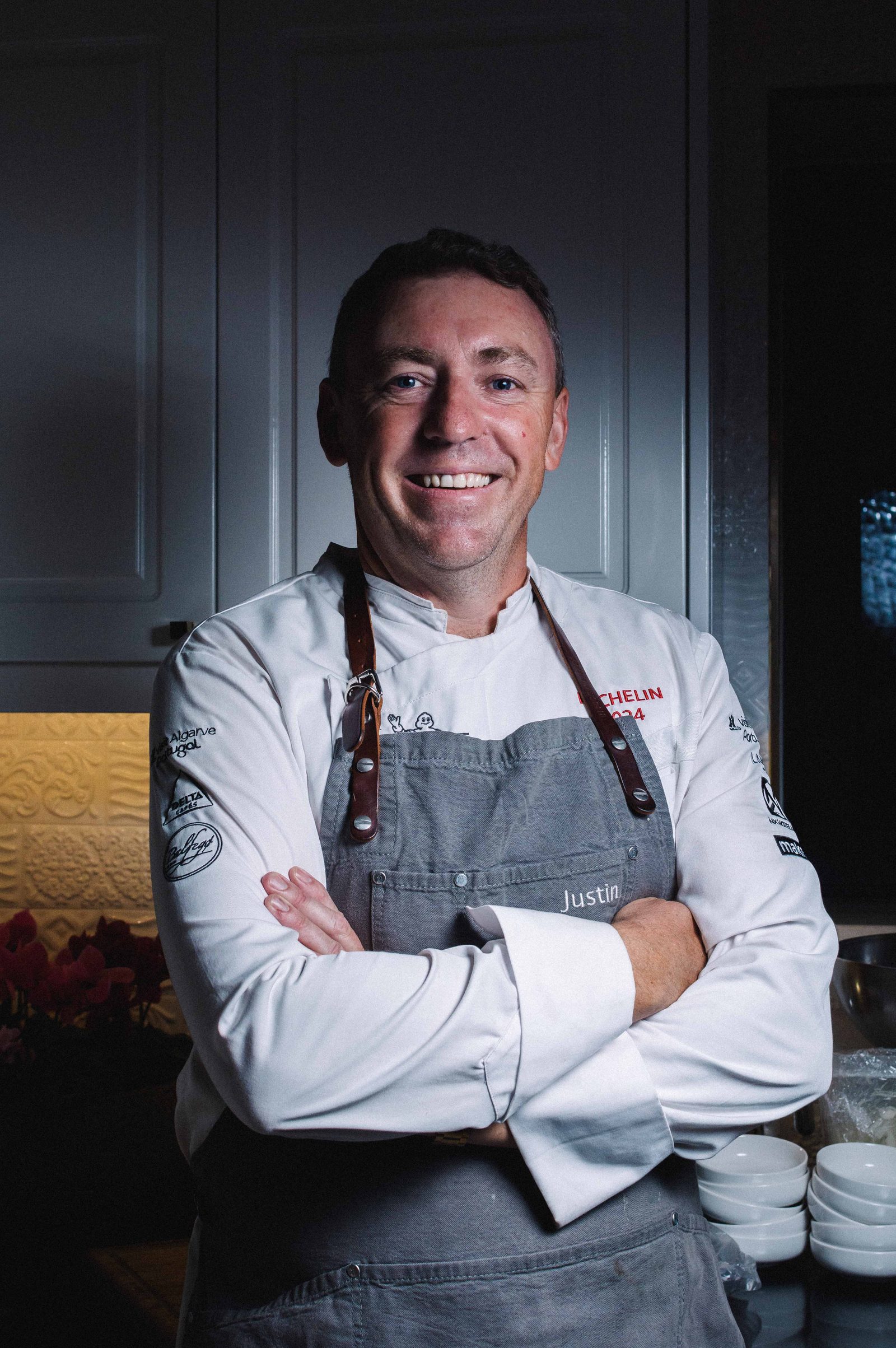
I've cooked tasting menus in MICHELIN-starred restaurants, on TV for World Cook Championship, and in hundreds of homes across Lisbon.
The format is always the same: multiple courses, progressive flavors, deliberate pacing. But cooking a tasting menu at home is different from cooking one in a restaurant.
You're not managing 50 tables. You're managing one table, one group, one experience — start to finish. The intimacy changes everything.
This is how tasting menus work at home, what makes them different from a regular dinner party, and what you should know before booking one in Lisbon.
What Is a Tasting Menu at Home?
A tasting menu is a multi-course meal designed to showcase technique, flavor progression, and creativity. Instead of one large main course, you get 5-9+ smaller courses served sequentially.
Each course is a complete dish — not a sample, not a bite. Think restaurant portion sizes scaled for a journey, not a single destination.
When a private chef cooks a tasting menu at home:
- The chef designs the menu based on your preferences and seasonality
- Courses are cooked fresh on-site in your kitchen
- Each course is plated individually and brought to your table
- You eat at a relaxed pace (10-15 minutes between courses)
- The chef cleans the kitchen and leaves after service
It's the experience of fine dining without leaving your home. No reservations, no travel, no strangers at the next table.
How Is a Tasting Menu Different From a Regular Dinner Party?
Most private chef dinner parties follow a traditional structure: starter, main, dessert. Maybe a cheese course. Total: 3-4 courses.
A tasting menu breaks that structure. You're building a narrative across 5-9+ courses. Each dish connects to the next — in flavor, technique, or theme.
Key differences:
Portion sizes: Regular dinner parties have substantial mains. Tasting menus have smaller, progressive portions. You're full by the end, but no single course dominates.
Pacing: Tasting menus take longer. A 3-course dinner might last 90 minutes. A 7-course tasting menu takes 3+ hours. The pacing is part of the experience.
Complexity: Tasting menus allow more technique per course. You can do things that don't work in a traditional format — foams, gels, dehydrated elements, temperature contrasts. Not because it's trendy, but because smaller portions tolerate complexity better.
Wine pairing: Tasting menus pair naturally with wine. You're changing wines with courses (or every 2 courses), which means variety and precision. Regular dinners usually stick to 2-3 wines total.
Kitchen intensity: Tasting menus demand more from the chef. You're juggling timing, plating, and service for 7+ dishes instead of 3. Mistakes compound. There's less margin for error.
If you want a relaxed, conversation-heavy dinner, a 3-4 course menu works better. If you want a curated, immersive food experience, a tasting menu delivers.
Course Count: What Changes When You Go From 5 to 9 Courses?
More courses doesn't just mean more food. It changes the structure, timing, and focus.
5-Course Tasting Menu (€95-120pp)
Structure: Amuse-bouche, starter, fish/seafood, meat, dessert.
Duration: 2-2.5 hours.
Best for: First-time tasting menu guests, smaller groups (4-6 people), weeknight dinners.
Five courses keep the experience tight. You get variety without overwhelming the table or the schedule. This is the sweet spot for most clients.
7-Course Tasting Menu (€140-180pp)
Structure: Amuse-bouche, cold starter, hot starter, seafood, palate cleanser, meat, pre-dessert, dessert.
Duration: 3-3.5 hours.
Best for: Celebrations, food-focused groups, clients who've done tasting menus before.
Seven courses give you room to build. You can introduce a palate cleanser (sorbet, granita, citrus), a pre-dessert, or a second protein. The pacing slows down. Conversations deepen.
9+ Course Tasting Menu (€200-250pp)
Structure: Amuse-bouche, multiple small bites, cold starter, hot starter, seafood, palate cleanser, meat, cheese (optional), pre-dessert, dessert, petit fours.
Duration: 4+ hours.
Best for: Serious food enthusiasts, milestone celebrations, clients who want the full experience.
Nine-plus courses is a commitment. You're settling in for the evening. This is where you showcase luxury ingredients (wagyu, lobster, truffles, caviar) and technical precision (sous vide, spherification, dry aging).
I don't recommend 9+ courses for groups larger than 8. The logistics get messy, and the intimacy suffers.
How Tasting Menus Work in a Home Kitchen
Restaurants have stations: garde manger, sauté, pastry, expediting. Homes don't.
You have one stove, one oven, one chef. Everything has to work within those constraints.
What I need from your kitchen:
- Working stovetop (4 burners preferred, 2 minimum)
- Oven with reliable temperature control
- Sink with running water
- Counter space for prep and plating
- Refrigerator for cold storage
I bring my own knives, plating tools, specialized equipment (sous vide, torch, smoker if needed), and serving dishes. You don't need restaurant-grade gear.
What works well at home:
- Dishes that can be prepped in advance (terrines, cured fish, desserts)
- Proteins that finish quickly (seared fish, duck breast, wagyu)
- Low-oven braises done ahead and reheated to order
- Cold courses that don't touch the stove (tartare, carpaccio, ceviche)
What's harder at home:
- Deep frying (ventilation, oil disposal, smell)
- Dishes requiring constant attention across multiple burners simultaneously
- Recipes dependent on specialized equipment (combi ovens, blast chillers)
I adapt menus to your kitchen. If your space is small or underequipped, I design around it. Tasting menus are about smart sequencing, not brute force.
Timing and Flow: How Long Does a Tasting Menu Take?
Restaurants control timing by staggering tables. At home, you're the only table. The chef paces the menu to your rhythm.
Typical flow:
Arrival (30-60 min before service): I arrive early to prep, set up, and start cooking. You're not involved. Relax, pour drinks, set the table if you haven't already.
First course (start on time): Service begins when you're seated. First courses are usually cold or room temp — amuse-bouche, small bites, chilled starters.
Between courses (10-15 min): This is buffer time. Guests talk, drink wine, reset. I'm plating the next course. Don't rush. The meal unfolds naturally.
Wine service: If you're pairing wines, pour between courses. Some clients hire a sommelier or assign someone to pour. I can recommend pairings, but I'm not serving wine — I'm cooking.
Final course + cleanup (30-45 min): Dessert is the slowest course. Guests linger. I clean the kitchen during this time. By the time you finish coffee, the kitchen is spotless and I'm gone.
Total time breakdown:
- 5 courses: 2-2.5 hours
- 7 courses: 3-3.5 hours
- 9+ courses: 4+ hours
If your group eats fast or slow, I adjust. The goal is comfort, not speed.
Wine Pairing for Tasting Menus at Home
Wine pairing elevates a tasting menu, but it's optional.
How it works:
- I recommend wines per course (or per 2 courses if budget-conscious)
- You purchase the wines in advance (I provide a list)
- You or a designated guest pours throughout the meal
- Alternatively, hire a sommelier for full wine service (€150-300 extra)
Wine pairing cost: €30-80pp depending on wine selection. Portuguese wines are affordable and pair beautifully. If you want French or Italian prestige bottles, expect the higher end.
Non-alcoholic pairing: I can design a non-alcoholic pairing using teas, kombuchas, shrubs, and fresh juices. Less common, but totally doable.
You don't need wine pairing for a great tasting menu. But it adds dimension. Each course gets a complementary drink instead of one bottle stretched across 7 dishes.
Pricing: What You Pay for a Tasting Menu at Home
Tasting menu pricing depends on course count, ingredient quality, and group size.
Base pricing (Lisbon, Cascais, Sintra):
- 5 courses: €95-120pp (simple proteins, seasonal vegetables, standard plating)
- 7 courses: €140-180pp (premium seafood, dry-aged beef, refined technique)
- 9+ courses: €200-250pp (luxury ingredients, intricate preparations, avant-garde plating)
What's included:
- Menu design and consultation
- All ingredients (sourced fresh, day-of or day-before)
- Chef service (cooking, plating, timing)
- Full kitchen cleanup
- Travel within Lisbon/Cascais/Sintra
What costs extra:
- Wine pairing: €30-80pp
- Luxury ingredients (wagyu A5, lobster, white truffles): €20-60pp surcharge
- Service outside Lisbon metro (Ericeira, Setúbal): €50-100 travel fee
- Additional staff (sommelier, server): €150-300
Group size: Minimum 4 guests, maximum 12 for tasting menus. Smaller groups are more intimate. Larger groups work but require a second chef (€300-400 extra).
Tasting menus are more expensive than traditional 3-course dinners because they're more work. More dishes, more precision, more time. You're paying for craft, not just calories.
For transparent pricing breakdowns, see my full cost guide.
Ready to Book Your Tasting Menu in Lisbon?
Custom menus • Seasonal ingredients • Full service & cleanup
Example Tasting Menu Progressions
Here are real menus I've cooked in Lisbon homes. Every menu is customized, but these show how courses flow together.
7-Course Australian-Asian Fusion Menu
- Amuse-Bouche: Prawn carpaccio, mango, avocado, lime oil
- Cold Starter: Crab verrine, avocado mousse, yuzu kosho, micro coriander
- Hot Starter: Pork and cabbage gyoza, soy-ginger dipping sauce
- Seafood: Seared scallops, cauliflower purée, brown butter, crispy pancetta
- Palate Cleanser: Passionfruit sorbet, mint
- Meat: Dry-aged ribeye, potato fondant, red wine jus, seasonal greens
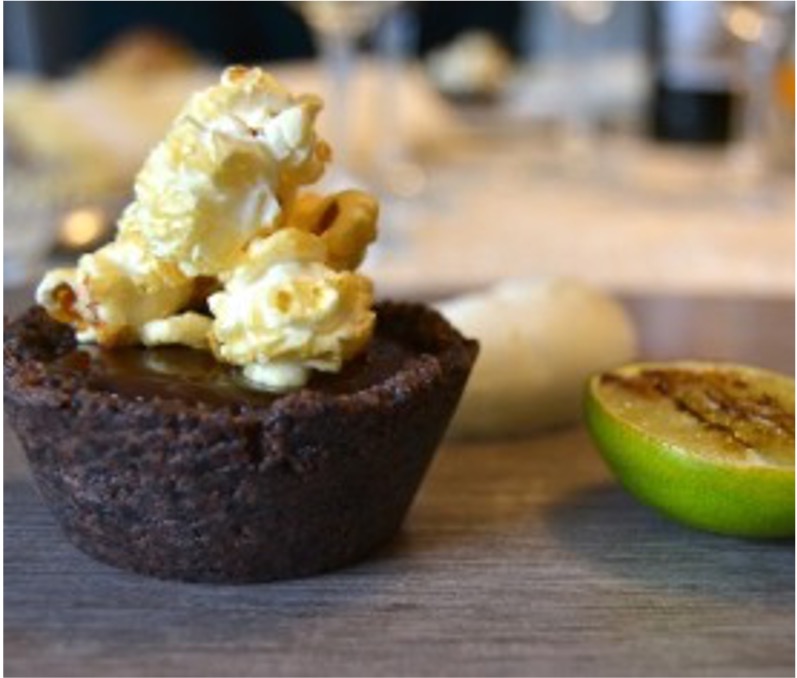
- Dessert: Chocolate tart, salted caramel, popcorn ice cream, lime zest
Wine pairing: Portuguese Alvarinho (courses 1-3), Douro red (courses 6), Moscatel (course 7).
5-Course Pescatarian Menu
- Amuse-Bouche: Beetroot carpaccio, goat cheese, candied walnuts, balsamic reduction
- Starter: Grilled octopus, smoked paprika, chickpea purée, lemon
- Seafood: Pan-seared sea bass, saffron risotto, asparagus, shellfish emulsion
- Cheese (optional): Portuguese cheese plate, quince paste, crackers
- Dessert: Mango panna cotta, coconut tuile, passionfruit gel
Duration: 2.5 hours. Relaxed pacing, ideal for smaller groups.
9-Course Luxury Menu (Anniversary Dinner)
- Amuse-Bouche: Oyster, champagne foam, cucumber granita
- Small Bite 1: Wagyu tataki, ponzu, microgreens
- Small Bite 2: Foie gras torchon, brioche, fig compote
- Cold Starter: Lobster tail, avocado mousse, grapefruit, caviar
- Hot Starter: Truffle risotto, parmesan crisp
- Seafood: Butter-poached turbot, saffron beurre blanc, fennel
- Palate Cleanser: Lemon-basil sorbet
- Meat: Wagyu A5 striploin, potato purée, roasted bone marrow, red wine reduction
- Pre-Dessert: Deconstructed lemon tart
- Dessert: Valrhona chocolate sphere, salted caramel, gold leaf
Wine pairing: Champagne (courses 1-3), white Burgundy (courses 4-6), Bordeaux (course 8), Sauternes (courses 9-10).
Duration: 4.5 hours. This is the full experience.
Why Some Dishes Work Better in Tasting Format
Not every dish benefits from the tasting menu format. Some are better suited to traditional plating.
Dishes that shine in tasting menus:
Rich, intense flavors: Foie gras, bone marrow, aged beef. In small portions, richness is decadent. In large portions, it's overwhelming.
Technical showcases: Sous vide, spherification, gelées, espumas. Tasting menus give you permission to experiment. Guests expect innovation.
Contrasting textures: Crispy + creamy, hot + cold, crunchy + silky. Smaller plates let you layer textures without the plate feeling chaotic.
Delicate proteins: Scallops, turbot, foie gras, oysters. You taste them fully in 3-4 bites. More than that, the flavor dulls.
Dishes that work better as mains:
Comfort food: Braised short rib, roasted chicken, shepherd's pie. These are filling, generous dishes. Shrinking them feels wrong. Save them for traditional dinners.
One-note flavors: If a dish is just "grilled fish with lemon," it doesn't need to be a standalone course. Tasting menus demand complexity or surprise.
Large-format proteins: Whole roasted lamb, porchetta, beef Wellington. These are showpieces designed to be carved and shared. They don't translate to plated courses.
The rule: if a dish is better in a large portion, it belongs in a traditional dinner. If it's better in a small, precise portion, it belongs in a tasting menu.
What Makes a Great Tasting Menu at Home
After cooking hundreds of tasting menus, I've learned what separates a good menu from a great one.
Balance: You need contrast. Heavy + light. Rich + acidic. Hot + cold. If every course is rich and creamy, you'll exhaust your palate by course 4.
Progression: Courses should build. Start light (raw, cold, delicate). Move to richer, cooked dishes. End sweet. Don't zig-zag randomly.
Surprises: At least one course should be unexpected. A flavor combination people haven't tried. A technique they haven't seen. That's what makes it memorable.
Seasonality: Tasting menus work best with seasonal ingredients. Tomatoes in summer, truffles in winter, asparagus in spring. Don't force ingredients out of season.
Simplicity where it counts: Not every course needs 12 components. Some of the best courses are three ingredients done perfectly. Oyster, champagne foam, cucumber. That's it.
Great tasting menus feel effortless. The guest doesn't think about technique or logistics. They just eat, enjoy, and remember.
How to Prepare Your Home for a Tasting Menu
You don't need to do much, but a few things help.
Clear the kitchen: I need counter space for prep and plating. Move appliances, clear the sink, and give me access to your stovetop and oven.
Set the table: I'm not setting your table. Have plates, cutlery, glassware, and napkins ready before I arrive. If you want candles or flowers, set those too.
Chill wines (if applicable): If you're doing wine pairing, have whites and champagnes chilled. I can decant reds if needed.
Have ice available: For wine buckets, cocktails, or emergencies.
Communicate dietary restrictions: Tell me about allergies, aversions, and dietary needs during booking — not 24 hours before. I'll design the menu around them.
Relax: Once I arrive, you're done. Sit down, pour drinks, and let me handle everything.
For a full walkthrough, read how to plan the perfect private chef experience.
Booking a Tasting Menu in Lisbon: What to Expect
Here's the process when you book a tasting menu with me:
1. Initial inquiry: Contact me via phone (+351 961 805 701) or the website contact form. Tell me your preferred date, guest count, dietary needs, and budget.
2. Menu consultation: I'll propose a custom menu based on your preferences. We'll go back and forth until it's right. This takes 1-3 days.
3. Booking confirmation: Once you approve the menu, I send a booking confirmation with final pricing, timing, and logistics. A 30% deposit secures the date.
4. Final details: 3-5 days before the event, I confirm timing, wine pairings (if applicable), and any last-minute adjustments.
5. Event day: I arrive 30-60 minutes early to prep. Service begins on time. I clean up and leave after the final course.
Lead time: Book at least 5-7 days in advance. Weekends and holidays require 10-14 days. Last-minute bookings are possible but not guaranteed.
Cancellation policy: Full refund if canceled 7+ days in advance. 50% refund if canceled 3-6 days in advance. No refund if canceled within 48 hours (deposit covers ingredient orders and opportunity cost).
Common Questions About Tasting Menus at Home
Can I customize the menu?
Yes. Every menu is custom. Tell me what you like, what you don't, and any dietary needs. I build from there.
Do you bring serving dishes?
Yes. I bring my own plates, bowls, and serving tools for plating. You provide the dining table settings (plates for eating, cutlery, glassware).
Can you accommodate allergies?
Yes, but I need to know in advance. Shellfish, nuts, gluten, dairy — all manageable if communicated during booking. Read more about dietary accommodations.
What if my kitchen is small?
Small kitchens are fine. I've cooked in tiny Lisbon apartments with 2-burner stoves. I adapt the menu to your space.
Do I need to help with cooking?
No. Sit down and enjoy. I handle everything.
What happens to leftovers?
Tasting menus rarely have leftovers because portions are designed for the group. If there's extra, it's yours.
Can I take photos during the meal?
Absolutely. I encourage it. Just don't let the food get cold.
Why Book a Tasting Menu Instead of a Restaurant?
Lisbon has excellent restaurants. So why book a private chef tasting menu at home?
Privacy: No strangers. No noise. No waiting for tables or rushing because the next seating is coming.
Customization: Restaurants have set menus. I design yours from scratch. Want to swap scallops for lobster? Done. Want to skip the meat course? No problem.
Comfort: You're in your own space. No dress code. No travel. No parking. You can relax completely.
Intimacy: A private chef tasting menu is interactive. You can ask questions, watch the plating, and adjust pacing. Restaurants don't allow that.
Value: For groups of 6-8+, a private chef is often cheaper than a high-end restaurant once you factor in wine, travel, and tips.
Restaurants are great. But for milestone celebrations, anniversaries, or intimate gatherings, a tasting menu at home offers something restaurants can't: complete control and total immersion.
Final Thoughts
Tasting menus at home are one of my favorite services to cook. They're challenging, creative, and deeply personal.
When done right, a tasting menu is more than dinner. It's a performance, a story, a memory.
If you've never experienced one, start with 5 courses. If you're a food enthusiast, go for 7. If you want the full experience, commit to 9.
I cook tasting menus across Lisbon, Cascais, Sintra, and the surrounding coast. Menus are fully custom. Pricing starts at €95pp for 5 courses.
Book at least a week in advance. Bring your appetite. I'll handle the rest.