Event Ideas
How to Host a Progressive Dinner Party with a Private Chef
July 2026 · 10 min read
Planning a progressive dinner in Lisbon, Cascais, or Sintra? I'll design a multi-room experience that turns your entire property into the event. Contact me for a custom quote.
Get a Free Quote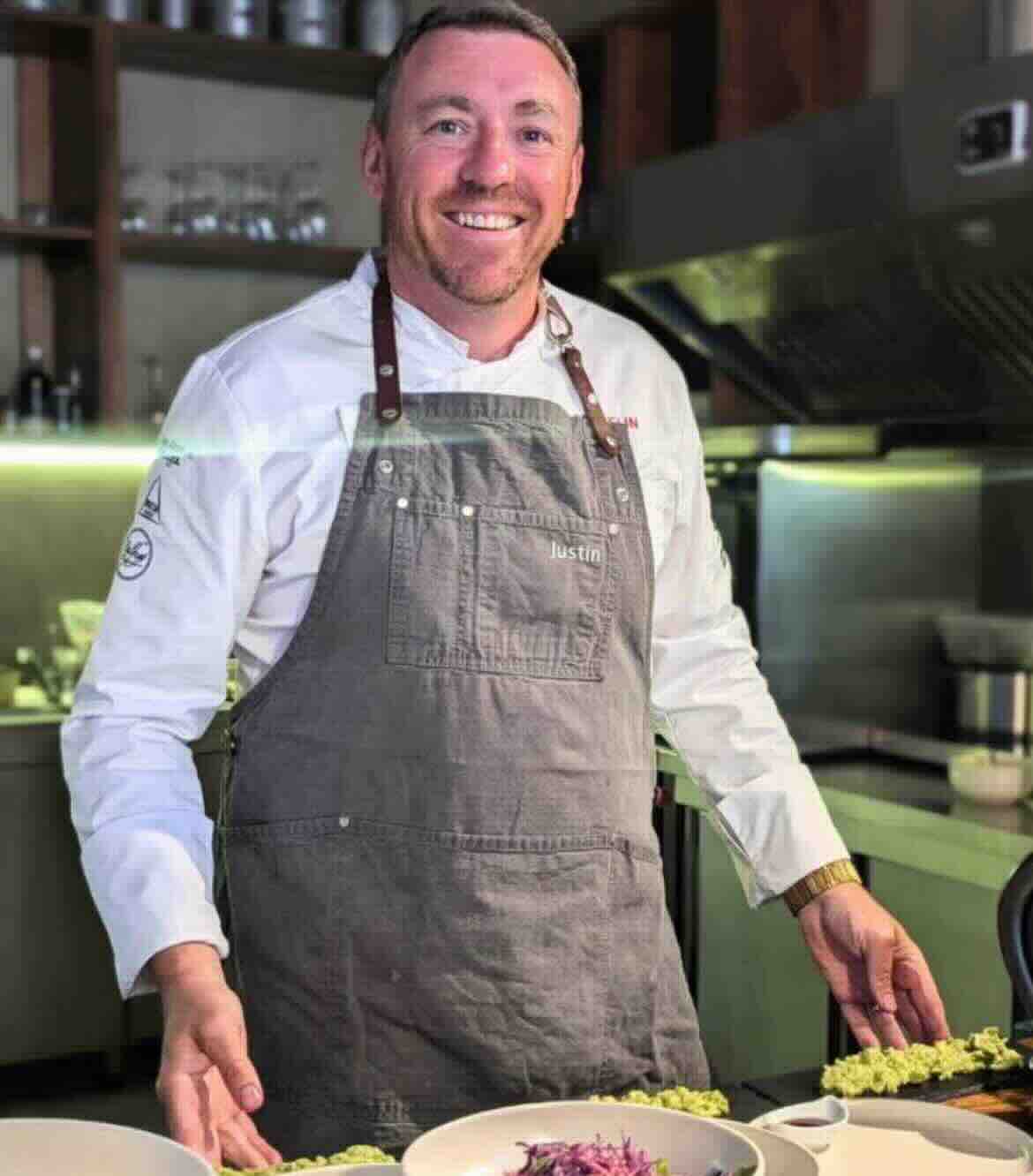
Most dinner parties happen at one table. Guests arrive, sit down, eat through multiple courses, and leave. It's comfortable. Predictable. And increasingly, it's forgettable. A progressive dinner party flips that script entirely. Each course moves to a different room or location within your property cocktails on the terrace, starters in the living room, mains in the formal dining room, dessert in the garden. The format turns the meal into a journey rather than a single seated event.
I've been cooking progressive dinners across Lisbon, Cascais, and Sintra for years, mostly at large villas, estates, and homes with multiple entertaining spaces. The format works brilliantly when you have the right property, the right group size, starting at eight guests, and a chef who can manage the logistics without guests feeling rushed or confused. Done well, it's theatrical, memorable, and creates natural conversation shifts as people move through the evening. Done poorly, it's chaotic.
This is how I structure progressive dinners, what makes them work, and whether your space is suited to pull one off.
What Is a Progressive Dinner Party?
A progressive dinner party serves each course in a different physical location. The simplest version uses two spaces cocktails and canapés in one room, seated dinner in another. More elaborate versions spread 5-7 courses across multiple rooms, outdoor terraces, gardens, or even separate buildings on a large property.
The format originated from neighbourhood progressive dinners where guests would walk between different homes for each course, with a different host cooking at each stop. That version still exists, but logistically it's a nightmare coordinating timing, dietary restrictions, and quality across multiple kitchens rarely works smoothly. The modern private chef version solves this: one chef, one property, multiple spaces. I manage all the cooking, plating, and logistics from a single base kitchen while guests experience the variety of moving through different environments.
Why It Works
Progressive dinners create natural conversation breaks. When guests move between rooms, seating arrangements shift. People who were across the table suddenly end up next to each other. Conversations reset. The social dynamics stay fluid rather than locking people into the same interactions for four hours.
The format also showcases your property. Most dinner parties use one room. A progressive dinner lets you highlight the rooftop terrace with sunset views, the library with a fireplace, the formal dining room that rarely gets used. It turns the architecture and design of your home into part of the entertainment.
And honestly, it's just more interesting. Moving between spaces keeps energy high. Guests stay engaged because the setting keeps changing. Nobody zones out mid-meal.
How I Structure a Progressive Dinner
The ideal progressive dinner has 4-6 distinct moments spread across 3.5 to 4.5 hours. Here's the structure I use most often:
Act 1: Cocktails & Canapés (30-45 minutes)
Location: Terrace, rooftop, garden, or outdoor space if weather permits. Indoor alternative: living room or library with comfortable seating.
What I serve: 3-4 passed canapés, light and easy to eat standing. Think tuna tartare on crispy rice, beef tataki with ponzu, burrata with grilled peach, oysters with mignonette. I pair this with a signature cocktail or champagne on arrival.
Why this works: Guests arrive at different times. Cocktail hour absorbs the straggle without delaying dinner. It also lets people loosen up before sitting down. By the time we move to the first course, everyone's relaxed and ready.
Act 2: First Course (20-25 minutes)
Location: Formal living room or a space that's visually distinct from where cocktails happened. Guests sit but not at a full dining table yet think lounge seating, armchairs, or a low coffee table setup.
What I serve: A refined, plated starter. Seared scallops with cauliflower purée and crispy prosciutto. Smoked duck breast with fig compote and hazelnuts. Ceviche with coconut milk and chilli oil. Something impressive but not heavy.
Why this works: The formality increases slightly but we're not at the main event yet. This course signals the transition from mingling to the structured meal. Guests start to understand the format.
Act 3: Main Course (30-40 minutes)
Location: Formal dining room or the most impressive indoor space. This is where the big table comes into play.
What I serve: The centrepiece dish. Slow-braised short rib with saffron risotto. Roasted turbot with brown butter and capers. Herb-crusted lamb rack with roasted vegetables and jus. This is where I pull out technique, richness, and full plating.
Why this works: By now guests are hungry, settled, and ready for the main event. The formal dining room matches the gravitas of the dish. This is the longest pause in the evening people linger, finish their wine, dive into deeper conversation.
Act 4: Palate Cleanser or Cheese (15 minutes)
Location: Back outside if possible garden, terrace, or even a walk through the grounds if the property allows.
What I serve: A light intermezzo. Lemon sorbet with prosecco. A small cheese plate with crackers and honey. Pear and gorgonzola served simply.
Why this works: This break resets the palate and gets people moving again after sitting through the main course. It's short, refreshing, and preps them for dessert without feeling like a full course.
Act 5: Dessert & Digestifs (30 minutes)
Location: Somewhere unexpected. A cozy nook, a fire pit area, a second terrace, a conservatory. The goal is to surprise guests one last time.
What I serve: Plated dessert and coffee. Chocolate fondant with raspberry coulis. Panna cotta with seasonal fruit. Tarte tatin with vanilla ice cream. I'll also offer digestifs port, grappa, whisky if the host provides them.
Why this works: Dessert in a new space feels like a reward. The evening is winding down but the setting keeps it interesting. Guests often stay longer in this phase, chatting over coffee rather than rushing out.
What Properties Work for Progressive Dinners?
Not every home is suited to this format. You need distinct spaces that serve different purposes, and they need to be close enough that guests aren't trekking across a football field between courses. Here's what I look for:
Villas & Large Homes
Any examples in this guide are hypothetical and show how a service could be planned for an eligible booking.
Apartments with Rooftop Access
Some Lisbon apartments have rooftop terraces with Tagus views. If you've got that, we can do a two-act progressive dinner: cocktails and canapés on the roof, then move inside for seated courses. It's simpler than a full multi-room progression, but it works beautifully and makes the most of a stunning view.
Properties with Indoor-Outdoor Flow
Homes with seamless indoor-outdoor transitions are perfect for progressive dinners. Start outside in warm weather, move inside for mains, return outside for dessert. The temperature shift between spaces adds to the sensory experience.
What Doesn't Work
Small apartments with one main living area. Studio-style lofts. Properties where all entertaining happens in a single open-plan space. If you don't have distinct rooms or outdoor access, a traditional seated dinner will always be smoother and more comfortable.
Logistics: How I Make It Work Behind the Scenes
Progressive dinners are logistically complex. I need to cook multiple courses, time each plate perfectly as guests move, and ensure every space is set up before they arrive. Here's how I manage it:
Pre-Event Walkthrough
I visit the property 1-2 days before the event. We walk through each space, confirm the order of rooms, discuss furniture arrangement, and plan where I'll stage equipment. I check power outlets, available surfaces for plating, and how far the kitchen is from each serving location. This walkthrough is non-negotiable I won't run a progressive dinner blind.
Advance Table Setup
Every space is set before guests arrive. Tables in the dining room, lounge seating for the first course, dessert area prepped with candles and linens. Guests never see me scrambling to move furniture or set a table mid-event.
Cooking & Plating Strategy
I cook from one base kitchen but stage finished components in portable containers. Dishes that need last-second plating (seared proteins, delicate sauces) are finished à la minute. Dishes that can hold (braised meats, risotto, desserts) are prepped ahead and reheated or plated when guests are ready. Timing is everything if a course isn't ready when guests move, the flow collapses.
Service Coordination
Justin specialises in events for 8 to 100 guests, with larger groups welcome and scoped individually. Eight guests is the hard booking minimum.
Pacing Cues
I give the host subtle cues when the next course is ready. A nod, a text, or a pre-agreed signal. The host then guides guests to the next room. I never interrupt conversations or rush people the host controls the flow, I just make sure food is ready when they move.
Single-event private chef service starts from €85 per person. Premium requirements receive a custom quote.
Here's a 5-act progressive menu I've run multiple times across Lisbon villas:
Cocktail Hour (Terrace):
- Signature gin cocktail with cucumber and elderflower
- Tuna tartare on crispy rice with wasabi mayo
- Beef tataki with ponzu and sesame
- Burrata with grilled peach and basil oil
First Course (Living Room):
- Seared scallops with cauliflower purée, crispy prosciutto, and microgreens
Main Course (Dining Room):
- Herb-crusted lamb rack with roasted root vegetables, rosemary jus, and saffron potatoes
Palate Cleanser (Garden):
- Lemon sorbet with prosecco and mint
Dessert (Fire Pit Lounge):
- Chocolate fondant with raspberry coulis and vanilla ice cream
- Coffee and digestifs
Wine, cocktail and beverage options are confirmed by custom quote when requested.
Pricing & What's Included
Progressive dinners start at €85 per person. Progressive formats, larger groups and premium menus receive a custom quote based on the event requirements.
Included in every progressive dinner:
- Pre-event property walkthrough and planning consultation
- Custom menu design matched to your property layout and guest preferences
- High-quality ingredients are freshly sourced for each agreed menu. Requested beverage services and additional staff are included in the custom quote.
- Full cooking, plating, and presentation across all courses
- Coordination of guest transitions between spaces
- Complete cleanup of kitchen and all serving areas
Wine, cocktail and beverage options are confirmed by custom quote when requested.
Is a Progressive Dinner Right for Your Event?
Progressive dinners aren't for everyone. They work brilliantly in specific situations and fall flat in others. Here's when I recommend them:
When to Choose a Progressive Dinner
- You have a stunning property multiple entertaining spaces, architectural features, or views worth showcasing
- Guest count starts at eight people and the property layout supports smooth movement between spaces
- Guests are social and mobile elderly guests or people with mobility issues will struggle with frequent moves
- You want something memorable this format creates stories and Instagram moments that standard dinners don't
- Weather is cooperative progressive dinners in Portugal work best April-October when outdoor spaces are comfortable
When to Skip It
- Limited space if you only have one main entertaining area, don't force it
- Complex larger groups may need a different format after the event brief and property are assessed
- Formal business dinners progressive format feels casual and social; boardroom dinners need traditional structure
- Guests with dietary restrictions managing multiple dietary needs across multiple courses in different locations increases complexity and error risk
- Cold weather without indoor variety moving between rooms in winter only works if each space feels distinct and comfortable
Multi-Location Progressive Dinners (Beyond One Property)
Any examples in this guide are hypothetical and show how a service could be planned for an eligible booking.
There is no travel charge in Lisbon or Cascais. Other approved locations may have a custom travel charge confirmed in the quote.
Event details and pricing are assessed from the current service brief rather than unsupported averages or statistics.
How Far in Advance to Book
Justin provides an initial personal reply, availability confirmation, custom menu and quote within 24 hours, often sooner, including weekends and holidays.
Book as early as possible. We recommend at least four weeks for normal dates and eight weeks for peak dates and seasons. The shortest accepted notice is seven days, subject to availability.
Final Thoughts: Why I Love Cooking Progressive Dinners
Justin provides an initial personal reply, availability confirmation, custom menu and quote within 24 hours, often sooner, including weekends and holidays.
For me as a chef, progressive dinners are a creative challenge. I'm not just cooking a menu I'm designing an experience that moves through time and space. Each course needs to match the environment it's served in. The food has to be technically sound enough to survive brief holds between moves, but delicate enough to feel refined. And I have to orchestrate the entire evening from a single kitchen, often out of sight, while making it look effortless.
If you have a property that can handle it, and guests who will appreciate the format, a progressive dinner party is one of the most memorable ways to entertain. Just make sure you've got a chef who's done it before because the difference between a smooth progressive dinner and a chaotic disaster is tight logistics, careful timing, and a lot of advance planning.
Ready to Plan a Progressive Dinner?
I run progressive dinner parties across Lisbon, Cascais, Sintra, and the surrounding areas. If you've got a villa, estate, or home with multiple entertaining spaces and you're planning an event for at least eight people, let's talk. I'll visit your property, design a menu that flows through your spaces, and handle every detail from planning to cleanup.
Get a free quote or message me on WhatsApp Justin provides an initial personal reply, availability confirmation, custom menu and quote within 24 hours, often sooner, including weekends and holidays.
Frequently Asked Questions
What is a progressive dinner party?
A progressive dinner party serves each course in a different room or location. Guests move between spaces throughout the evening cocktails on the terrace, starters in the living room, mains in the dining room, dessert in the garden. The format creates natural conversation breaks, theatrical presentation opportunities, and makes the entire home part of the experience rather than confining guests to one table.
How much does a progressive dinner party with a private chef cost in Lisbon?
Wine, cocktail and beverage options are confirmed by custom quote when requested.
How many rooms do you need for a progressive dinner party?
You can host a progressive dinner with just 2-3 distinct spaces. Common formats: aperitivo on the terrace + dinner inside, or cocktails upstairs + courses downstairs + dessert in the garden. Larger villas with 4+ entertaining spaces allow one course per room. I design the flow based on your property layout and guest count (a hard minimum of eight people for progressive format, specialising in groups from 8 to 100 and welcoming larger groups by individual assessment).
Can a private chef handle the logistics of moving between rooms?
Yes. I manage all progressive dinner logistics including advance table setup in each room, timed plating so courses are ready when guests arrive, coordination of service staff if needed, and discreet cleanup between moves. The host simply guides guests to the next location on cue. Pre-event walkthrough is required to plan equipment placement, timing, and flow.
What type of menu works best for a progressive dinner party?
Multi-course tasting menus (5-7 courses) work best for progressive dinners. Each course should be 2-3 bites or small plates, allowing guests to move comfortably between locations without feeling overly full. I design menus with temperature flexibility dishes that can hold briefly without quality loss as guests transition between rooms.
How long does a progressive dinner party take?
Progressive dinner parties typically run 3.5 to 4.5 hours including cocktails. Each course takes 20-30 minutes including the move to the next location. The format naturally paces the meal slower than traditional seated dinners, which is part of the appeal. Start times of 19:00-19:30 allow guests to finish by 23:00-23:30.
Is a progressive dinner party suitable for large groups?
Justin specialises in events for 8 to 100 guests, with larger groups welcome and scoped individually. Eight guests is the hard booking minimum.
Ready to Create a Memorable Evening?
I specialize in progressive dinner parties across Lisbon, Cascais, and Sintra. Let me design a multi-room experience that showcases your property and creates lasting memories for your guests.
Request a Free Quote