Seasonal Menus
Spring Menu Ideas for Private Chef Events in Portugal
June 2026 · 8 min read
Planning a spring event in Portugal? Get a custom seasonal menu designed around the freshest ingredients available right now.
Get a Free Quote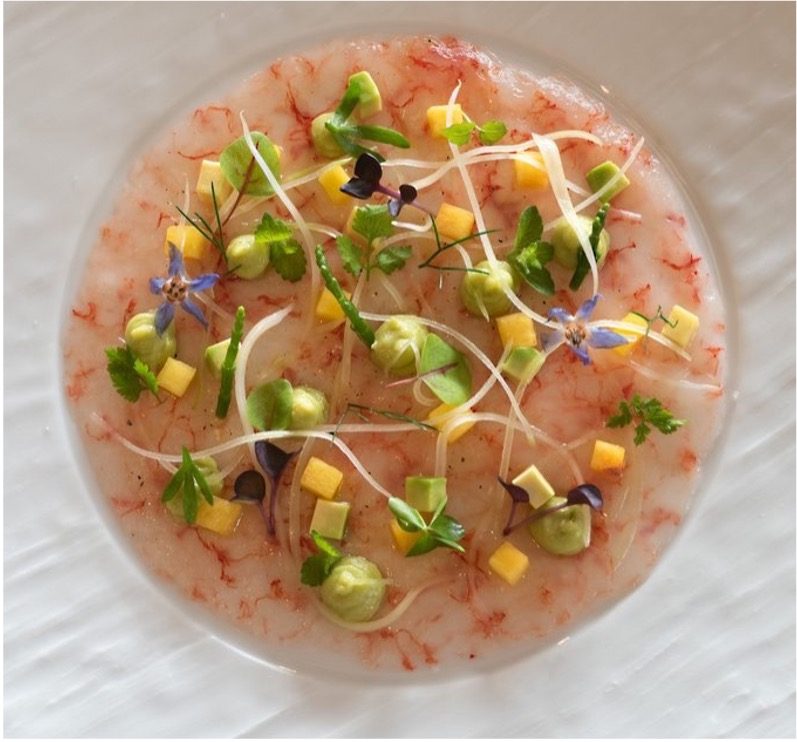
Spring in Portugal is the season I look forward to most as a private chef. The markets overflow with ingredients that basically cook themselves broad beans so sweet you could eat them raw, wild asparagus pulled from the hillsides that morning, strawberries that actually taste like strawberries. After months of hearty winter menus built around braises and root vegetables, spring is a reset. Everything gets lighter, brighter, and more immediate.
I've been cooking private events in Lisbon, Cascais, Sintra, and across Portugal for years, and spring bookings are consistently my favourites. The weather cooperates warm enough for terrace dining, cool enough that you're not fighting heat in a client's kitchen. The produce is at its peak. And guests arrive relaxed, ready to eat well without the heaviness of a winter meal. If you're planning a private chef event between March and June, here's what I'd put on the table and why.
Why Spring Is the Best Season for Private Chef Events in Portugal
Portugal's spring runs roughly from mid-March through the end of May, though in Lisbon the warm weather often stretches comfortably into June. There are three reasons spring events tend to be the most successful:
The produce calendar peaks. Portugal's spring harvest is extraordinary. You get the tail end of citrus season overlapping with the first stone fruits. Leafy greens are tender and abundant. Seafood shifts sardines start running, clams are fat and briny, and sea bass enters its prime. For a chef, this overlap means I can build menus with a depth of flavour that's harder to achieve in any other season.
The weather allows indoor-outdoor flexibility. Daytime temperatures in Lisbon sit between 18-25°C through spring, dropping to a pleasant 14-16°C in the evenings. That's perfect terrace dining weather. I cook events on villa rooftops in Cascais, garden patios in Sintra, and balconies overlooking the Tagus in Lisbon all without worrying about rain or sweltering heat. It changes the entire atmosphere when guests can drift between the kitchen, the table, and the open air.
Competition for dates is lower than summer. July and August are peak tourist season. Everyone wants a private chef for their villa holiday. But spring? The secret is still getting out. You get better date availability, more flexibility on menu design, and frankly my full attention rather than back-to-back bookings. If you're planning a special occasion, spring gives you the most options.
Spring Ingredients I Build Menus Around
Every seasonal menu starts at the market. For spring events, I'm sourcing from Mercado da Ribeira, Mercado de Campo de Ourique, direct from fishermen in Cascais harbour, and from small farms in the Sintra hills. Here's what drives my spring menus:
Vegetables & Greens
- Broad beans (favas) The quintessential Portuguese spring ingredient. Young and tender in April-May, they work raw in salads, puréed into dips, or sautéed with chorizo and mint.
- Wild asparagus Foraged from the countryside around Sintra and Arrábida. Thinner and more intensely flavoured than cultivated asparagus. I char them quickly and serve with a soft poached egg and shaved Parmesan.
- Artichokes Portuguese globe artichokes arrive in April. Braised, grilled, or turned into a silky velouté, they're one of the most versatile spring ingredients.
- Peas Fresh peas straight from the pod. Nothing like the frozen ones. I use them in risottos, as a bed for fish, or blended into a bright green soup served cold as an amuse-bouche.
- New potatoes Small, waxy, and creamy. Roasted with rosemary and sea salt, or crushed and fried until golden. They pair with everything from lamb to fish.
- Fresh herbs Coriander, mint, flat-leaf parsley, and chives are all at their most aromatic in spring. I use them generously they define the brightness of a spring plate.
Seafood
- Clams (amêijoas) Fat, briny, and abundant from Setúbal and the Algarve. Steamed with white wine, garlic, and coriander (amêijoas à Bulhão Pato) they're one of the best starters I serve.
- Sardines The first sardines of the season arrive in late spring. Smaller and more delicate than the summer catch, they're incredible grilled over charcoal with just sea salt and lemon.
- Sea bass (robalo) Wild-caught from the Atlantic coast. Spring sea bass is firm and clean-tasting. I serve it with a pea and mint purée or baked in a salt crust for dramatic tableside presentation.
- Prawns Red prawns from the Algarve are at their sweetest in spring. Perfect for carpaccio, grilled simply, or as the centrepiece of a seafood tasting menu.
Proteins
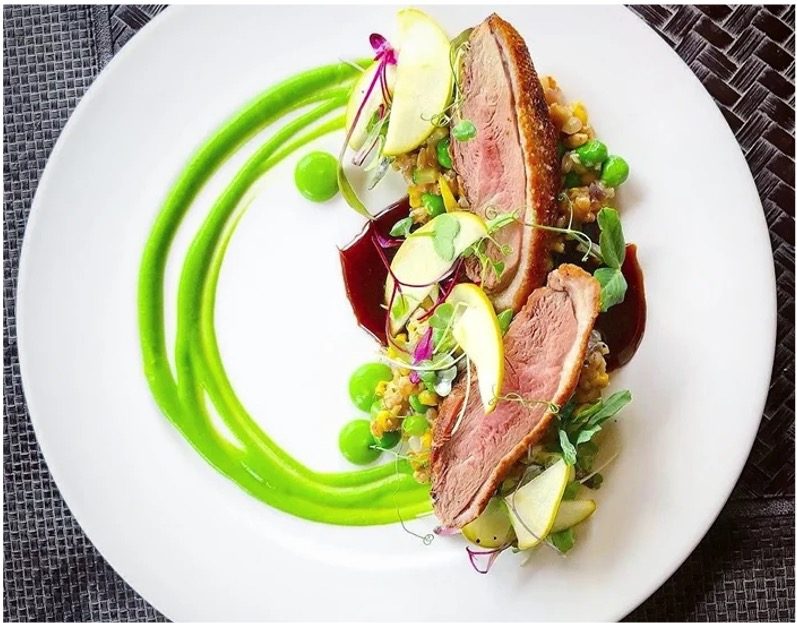
- Spring lamb Young lamb from the Alentejo, tender and mild. Herb-crusted rack of lamb is one of my most requested spring dishes. The meat needs very little just good seasoning and precise cooking.
- Free-range chicken Lighter than red meat but still satisfying. I roast it with lemon, thyme, and new potatoes for a dish that feels both elegant and comforting.
- Ibérico pork From the border region with Spain. Spring Ibérico is succulent and rich. A slow-roasted pork belly with apple and star anise bridges the gap between winter warmth and spring freshness.
Fruits & Dessert Ingredients
- Strawberries Portuguese strawberries peak in April-May. Intensely sweet, smaller than the imported ones, and perfect for panna cotta, tarts, or simply macerated with basil and balsamic.
- Cherries From the Fundão region, arriving in late May. I use them in clafoutis, compotes, or paired with dark chocolate in a dessert that always gets a reaction.
- Late-season citrus Lisbon's orange and lemon trees produce into April. I use the juice and zest for sauces, dressings, and citrus-forward desserts like lemon posset or orange blossom crème brûlée.
Sample Spring Menus
Here are three spring menus I regularly cook for private events. Each is designed around what's freshest that week, so they shift slightly depending on the market but these give you a clear picture of what to expect at each price point.
Menu 1: Family-Style Spring Dinner (€85 per person)
Best for: 8-16 guests, villa dinners, birthday celebrations, relaxed evening with friends.
Shared Starters
- Burrata with grilled peaches, rocket, and aged balsamic
- Amêijoas à Bulhão Pato steamed clams with garlic, white wine, and coriander
- Charred wild asparagus with soft poached egg and Parmesan shavings
Mains (served on platters)
- Herb-crusted roast lamb shoulder with roasted new potatoes and mint gremolata
- Whole baked sea bass with lemon, capers, and cherry tomatoes
- Broad bean, pea, and ricotta salad with lemon vinaigrette
Dessert
- Strawberry and basil panna cotta with almond biscotti
Want this exact menu for your event?
Serving Lisbon, Cascais, Sintra, Estoril, Ericeira & Setúbal
Menu 2: Plated Spring Dinner (€95 per person)
Best for: 4-12 guests, anniversaries, special occasions, intimate dinner parties where presentation matters.
Amuse-bouche
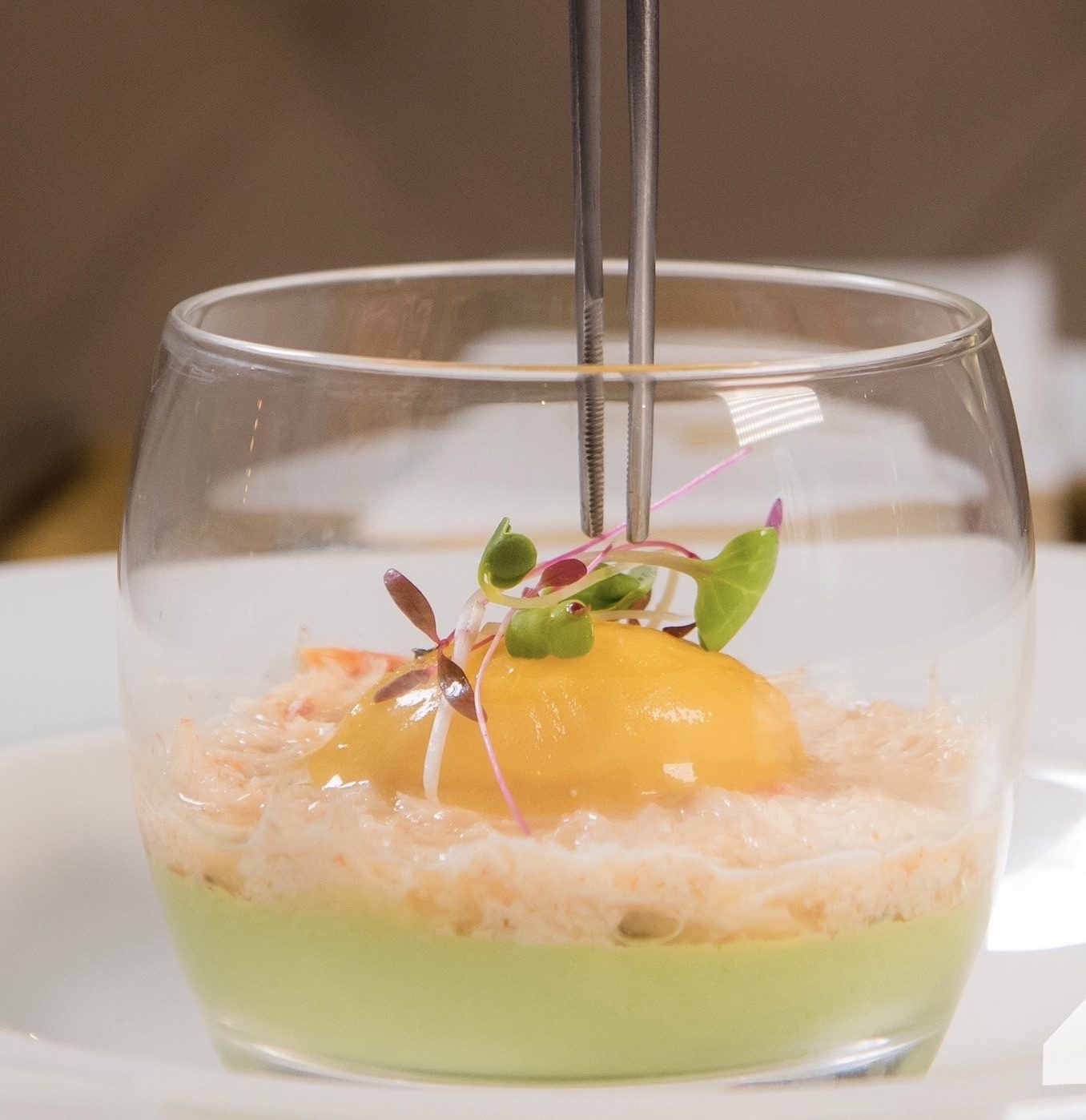
- Chilled pea velouté shot with mint oil and crème fraîche
Starter
- Prawn carpaccio with mango, avocado, and micro herbs citrus dressing
Fish Course
- Pan-seared sea bass fillet with broad bean purée, samphire, and lemon beurre blanc
Main
- Herb-crusted rack of spring lamb, crushed new potatoes, roasted artichoke hearts, red wine jus
Dessert
- Strawberry and vanilla panna cotta with basil syrup and almond tuile
Menu 3: Spring Tasting Menu (€105 per person)
Best for: 2-10 guests, foodies, milestone celebrations, the kind of evening where the meal is the event.
Course 1 Amuse-bouche
- Chilled asparagus velouté with a quail egg and truffle oil
Course 2 Cold Starter
- Algarve red prawn tartare with avocado mousse, finger lime, and crispy shallots
Course 3 Warm Starter
- Artichoke and goat cheese ravioli with sage brown butter and toasted pine nuts
Course 4 Fish
- Wild sea bass en croûte with spring pea risotto and a shellfish bisque foam
Course 5 Palate Cleanser
- Lemon and elderflower sorbet with a sprig of fresh mint
Course 6 Main
- Sous vide spring lamb loin with broad bean and feta salad, potato fondant, and rosemary jus
Course 7 Dessert
- Dark chocolate fondant with cherry compote and vanilla bean ice cream
Wine pairing option: Add €45-55 per person for Portuguese wines matched to each course. Spring pairings typically feature Vinho Verde, Alvarinho, a light Alentejo red, and a late-harvest dessert wine.
Spring Event Ideas That Work Brilliantly
Spring isn't just one type of event. Here are the formats I cook most during the season and why each works particularly well in Portuguese spring weather:
Terrace Dinner Parties
The most popular spring booking. You've rented a villa in Cascais or an apartment with a terrace in Alfama, and you want to eat outside as the sun sets. I set up in your kitchen, cook a 3-4 course dinner, and serve it on the terrace with the city lights or the ocean as a backdrop. The warm spring evenings make this effortless. No bugs, no humidity, no rain. Just open air, good food, and a table full of people actually enjoying themselves.
Easter & Holiday Celebrations
Easter falls in spring, and it's one of the most common private chef bookings I handle. Families gather, often with guests flying in from abroad, and nobody wants to spend the holiday cooking. A spring lamb centrepiece with all the trimmings, served family-style so everyone can help themselves that's the kind of meal people remember. I handle everything from shopping to cleanup, so the host actually gets to sit at their own table and enjoy the meal.
Villa Welcome Dinners
Groups arriving in Portugal for a spring holiday often book a private chef for their first night. Everyone's just landed, the villa is new and exciting, and nobody wants to figure out where to eat. I arrive before them, have the kitchen ready, and serve a welcome dinner that sets the tone for the entire trip. Cocktails and canapés on the terrace, followed by a family-style dinner with local ingredients. It immediately turns a holiday rental into a home.
Milestone Celebrations
Birthdays, anniversaries, engagements, retirement dinners. Spring's pleasant weather and long evenings make it ideal for celebrations that stretch into the night. A plated tasting menu for 8-10 guests, wine pairing, and a surprise dessert course these are the events where people cry a little, laugh a lot, and send me messages weeks later saying it was the highlight of their trip.
Corporate Retreats
Spring is corporate retreat season. Teams come to Lisbon for off-sites, and the private chef experience replaces the usual restaurant booking. It's more intimate, more memorable, and it creates genuine bonding over a shared meal. I've cooked for tech startups in Ericeira surf villas, finance teams in Cascais mansions, and creative agencies in Alfama lofts. The format varies but the effect is the same people connect differently when the food is exceptional and the setting is private.
Tips for Planning a Spring Private Chef Event
After hundreds of spring events, here's what I've learned makes the difference between a good evening and an unforgettable one:
1. Book 2-4 weeks in advance. Spring weekends fill up fast, especially around Easter and Portuguese bank holidays (April 25th, May 1st). Midweek bookings are more flexible, but if you want a Saturday evening in May, get in touch early.
2. Let the season guide the menu. Don't come to me with a fixed menu you found on Pinterest. Tell me the vibe casual or formal, any dietary restrictions, how many guests and let me build around what's freshest. That's how you get the best food. The markets decide what I cook, not a spreadsheet.
3. Plan for outdoor dining if possible. If your venue has a terrace, garden, rooftop, or even a large balcony, use it. Spring evenings in Portugal are perfect for alfresco dining. I can work with almost any outdoor setup as long as I have access to a kitchen.
4. Consider a cocktail hour. Adding a 30-minute cocktail and canapé reception before the sit-down dinner transforms the evening. Guests arrive, get a drink, nibble on something beautiful, and settle in before the meal starts. It sets the pace and gives me time to plate without rushing.
5. Think about wine early. I offer curated wine pairings from €45-55 per person, featuring Portuguese wines that match each course. Alternatively, bring your own wines and I'll adjust the menu to complement them. Either way, tell me your approach before the event so I can plan accordingly.
6. Mention dietary needs upfront. Spring menus are naturally flexible lots of vegetables, seafood, and lighter proteins so accommodating vegan, gluten-free, or other restrictions is straightforward. But I need to know before I shop, not when I arrive.
Where I Cook Spring Events in Portugal
My primary service area covers Lisbon and the surrounding region, but I regularly travel further for spring events:
- Lisbon Apartments, penthouses, and rooftop terraces across Alfama, Chiado, Príncipe Real, Santos, and Estrela. Spring rooftop dinners with Tagus views are some of my favourite events.
- Cascais Villas, beach houses, and holiday rentals. Cascais spring weather is slightly cooler than central Lisbon with Atlantic breezes perfect for long terrace dinners.
- Sintra Forest-surrounded villas and estates. Spring in Sintra is magical lush greenery, misty mornings, and evenings cool enough for heartier dishes like braised lamb.
- Estoril Seaside properties and hotel suites. Spring events here often have a more formal feel, matching the area's refined character.
- Ericeira Surf villas and beach retreats. Spring brings smaller swells and warmer days ideal for casual BBQ-style dinners after a day on the water.
- Setúbal & Arrábida Hillside quintas with stunning views over the coast. Spring in the Arrábida natural park is extraordinary I source oysters and clams directly from the estuary.
- Algarve For larger events or destination celebrations. Spring in the Algarve means empty beaches, affordable villa rentals, and produce from the region's farms and fishing ports.
Travel outside the Greater Lisbon area may include a small surcharge depending on distance, but I quote everything transparently upfront.
Spring vs. Other Seasons: What Changes?
People sometimes ask whether there's really a difference between a spring menu and a summer or winter one. The answer is yes and it's significant.
Spring vs. Summer: Summer menus lean heavily on grilled proteins, cold soups, and raw preparations. The heat demands lighter fare. Spring menus have more range I can still braise a lamb shoulder, serve a warm risotto, or build a multi-course tasting menu without worrying that guests are too hot to enjoy a rich dish. Spring is the sweet spot between comfort and freshness.
Spring vs. Autumn: Autumn brings mushrooms, game, truffles, and root vegetables. It's earthy and warming. Spring is the opposite bright, green, and driven by delicate flavours. An autumn tasting menu might centre around a venison loin with celeriac purée. A spring one puts a herb-crusted lamb rack with pea shoots and broad beans at the centre.
Spring vs. Winter: Winter is about slow cooking 48-hour short ribs, hearty stews, rich sauces. Spring menus reduce cooking times dramatically. A winter event might feature five heavy courses. A spring tasting menu has the same number of courses but with more movement between light and substantial, cold and warm, raw and cooked.
Pricing for Spring Private Chef Events
Spring pricing follows my standard menu tiers, but the seasonal ingredients can influence the final quote:
- Family-Style (€85pp) 3 courses served on platters. Best for larger groups and relaxed settings.
- Plated Service (€95pp) 3-4 individually plated courses. Best for special occasions and intimate groups.
- Tasting Menu (€105pp) 5-7 courses with chef explanations. Best for foodies and milestone celebrations.
- Luxury Tasting (€130pp) Premium proteins (wagyu, lobster, truffle) in a multi-course format. Best for high-end events.
- Wine Pairing Add €45-55pp for Portuguese wines matched to each course.
All prices include ingredient sourcing, preparation, cooking, table service, and full kitchen cleanup. The only variables are guest count, menu tier, and any premium add-ons you request.
Ready to plan your spring event? Tell me the date, guest count, and vibe I'll send back a custom seasonal menu and quote within 24 hours.
Get a Free QuoteFrequently Asked Questions
What are the best spring ingredients for private chef menus in Portugal?
Portugal's best spring ingredients include fresh peas, broad beans (favas), wild asparagus, artichokes, strawberries, cherries, new potatoes, fresh herbs (coriander, mint, parsley), clams, sardines, sea bass, and spring lamb. I source directly from Lisbon markets like Mercado da Ribeira and from local fishermen and farmers across the region.
How much does a spring private chef dinner cost in Lisbon?
A spring private chef dinner in Lisbon starts at €85 per person for family-style service, €95pp for plated, and €105-130pp for tasting menus. Spring menus may include premium seasonal ingredients like wild asparagus, fresh clams, and spring lamb. All prices include ingredients, cooking, service, and cleanup.
Can a private chef cook outdoors during spring in Portugal?
Yes. Spring in Portugal (March-June) offers ideal outdoor dining weather with temperatures of 18-25°C. I regularly cook on villa terraces, rooftops, and gardens across Lisbon, Cascais, and Sintra. As long as I have access to a working kitchen, the dining can happen anywhere your space allows.
What spring menu would you recommend for a dinner party of 8?
For 8 guests in spring, I recommend a plated 4-course menu (€95pp): amuse-bouche of chilled pea velouté, starter of prawn carpaccio with mango and avocado, main of herb-crusted spring lamb with roasted new potatoes, and dessert of strawberry panna cotta with basil syrup. Wine pairing available from €45pp.
When is the best time to book a spring private chef event?
Book 2-4 weeks in advance for spring events, especially for April-May weekends which are peak season due to Easter, bank holidays (April 25th, May 1st), and ideal weather. Last-minute bookings (3-5 days) are sometimes possible midweek. Contact me early for the best date availability.
Does the private chef provide seasonal wine pairings?
Yes. I offer seasonal wine pairings from €45-55 per person, featuring Portuguese wines matched to each course. Spring pairings often include Vinho Verde, Alvarinho, light Alentejo reds, and rosé from the Setúbal region. You're also welcome to provide your own wines just let me know in advance so I can adjust the menu accordingly.
Can spring menus accommodate dietary restrictions?
Absolutely. Spring menus are naturally versatile with abundant vegetables, seafood, and lighter proteins. I accommodate vegan, vegetarian, gluten-free, dairy-free, and other dietary requirements. Mention restrictions when booking for a fully customised menu at no extra charge.
Book Your Spring Private Chef Experience
Seasonal menus · The World Cook Champion · MICHELIN Guide Selected
Get Your Free Quote →Or call +351 961 805 701